A Company in Active Transformation
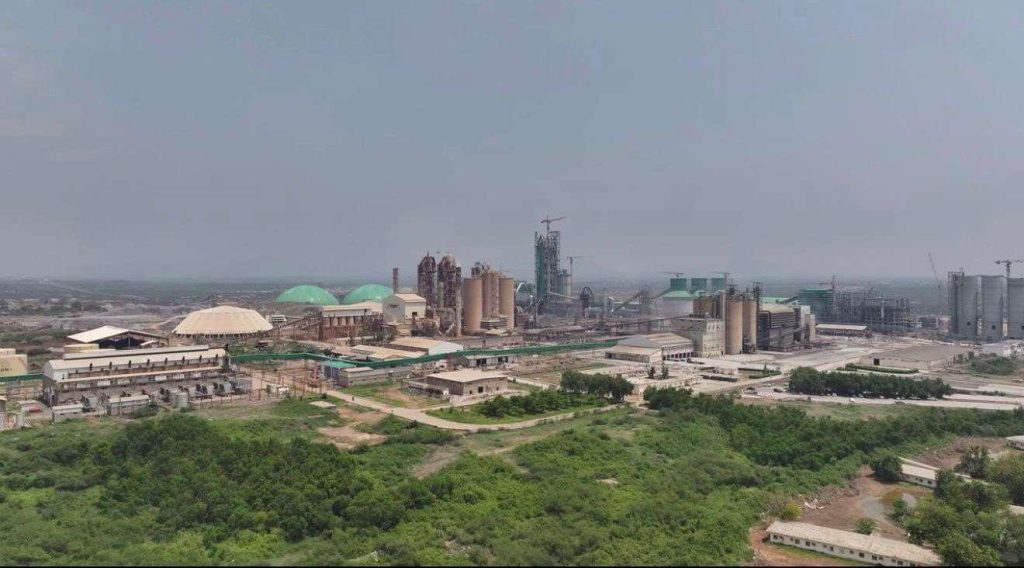
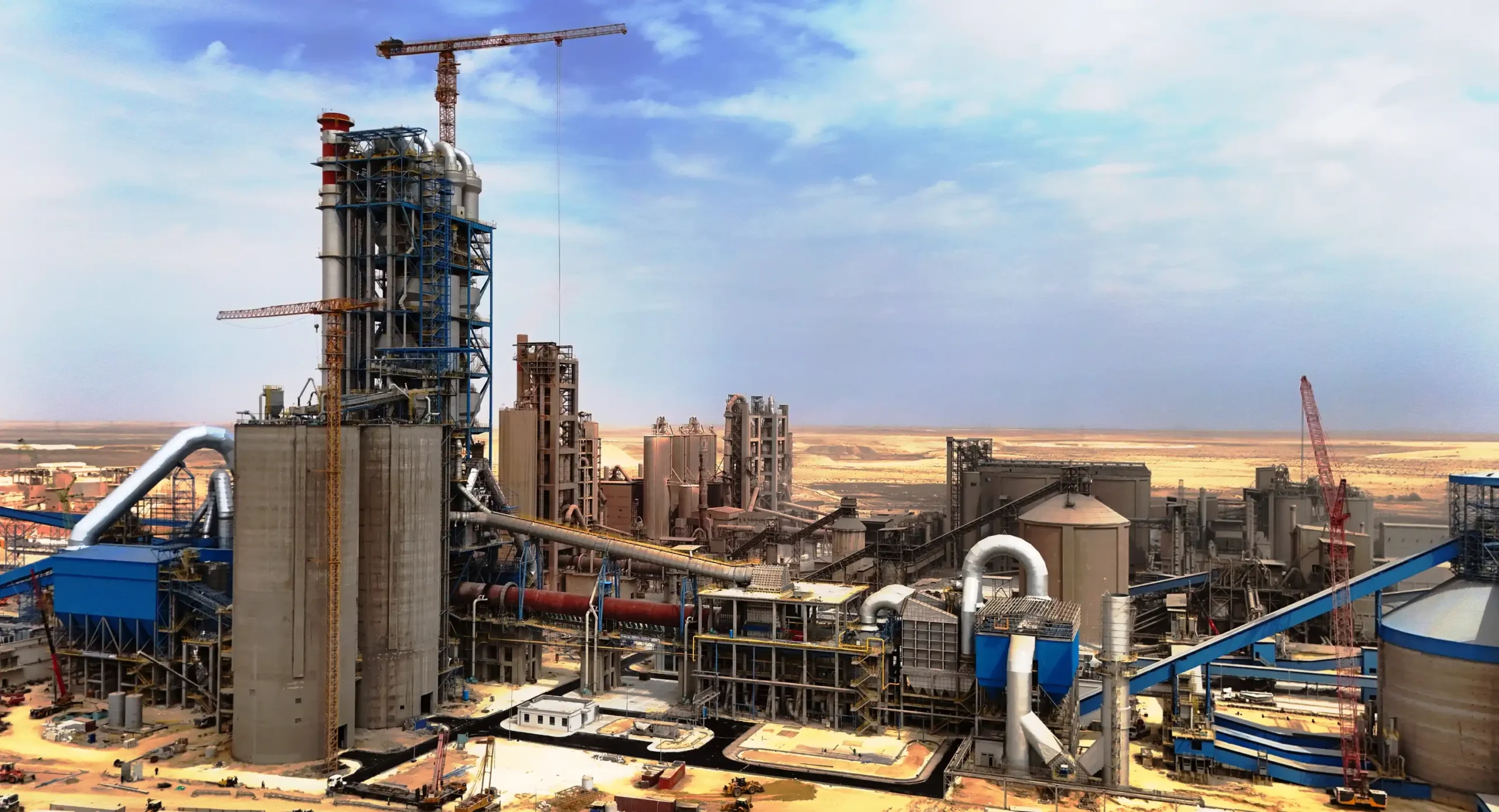
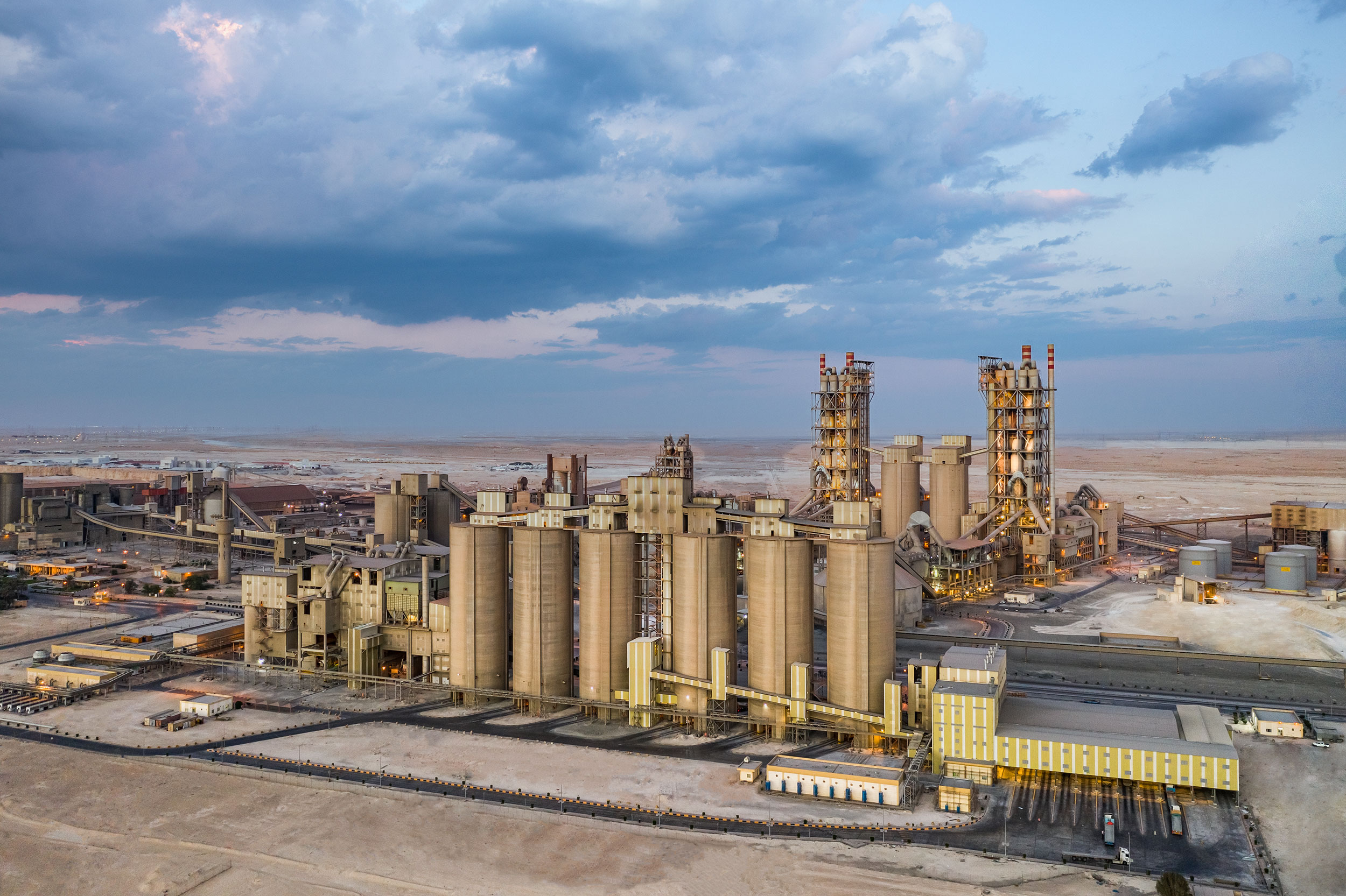
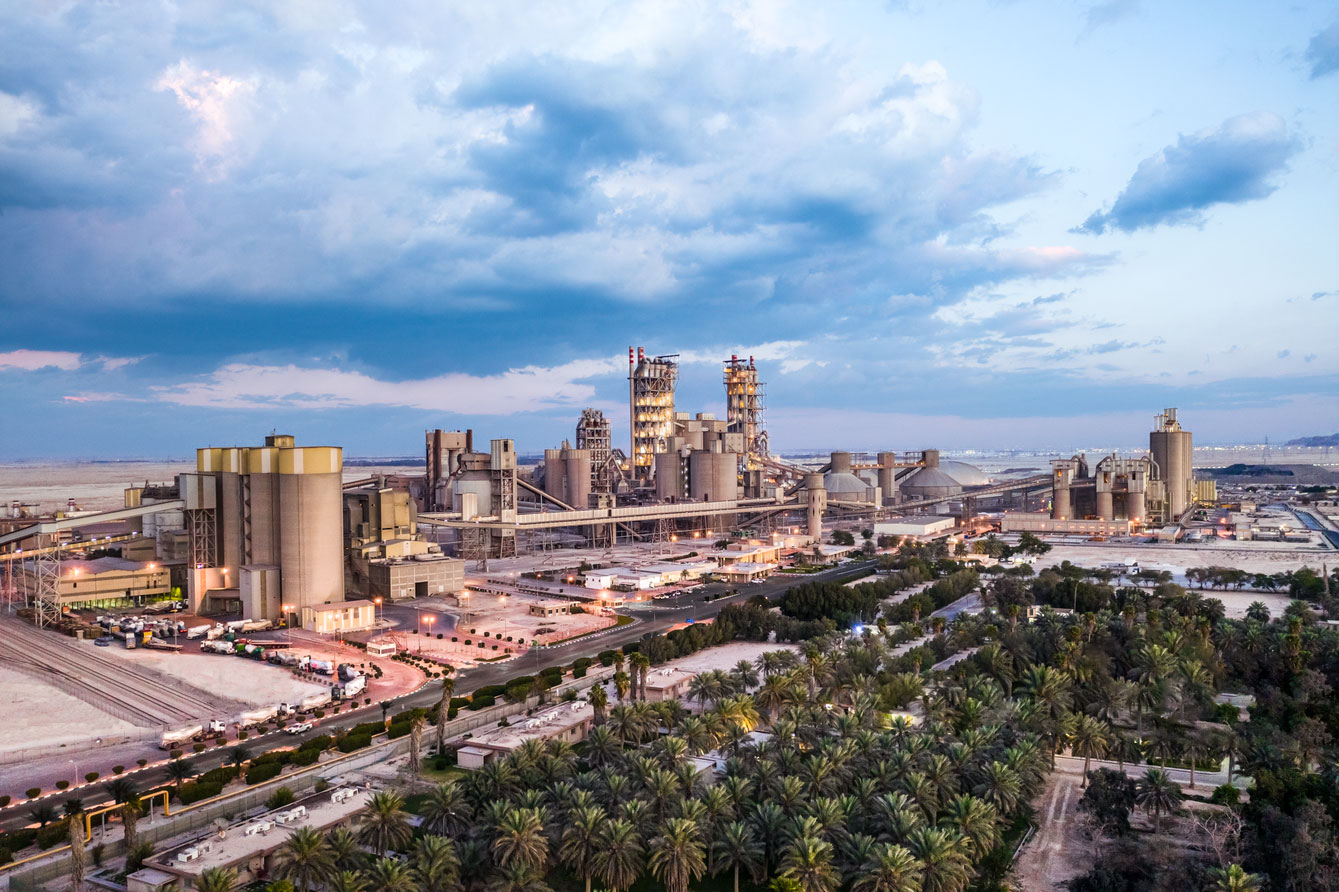
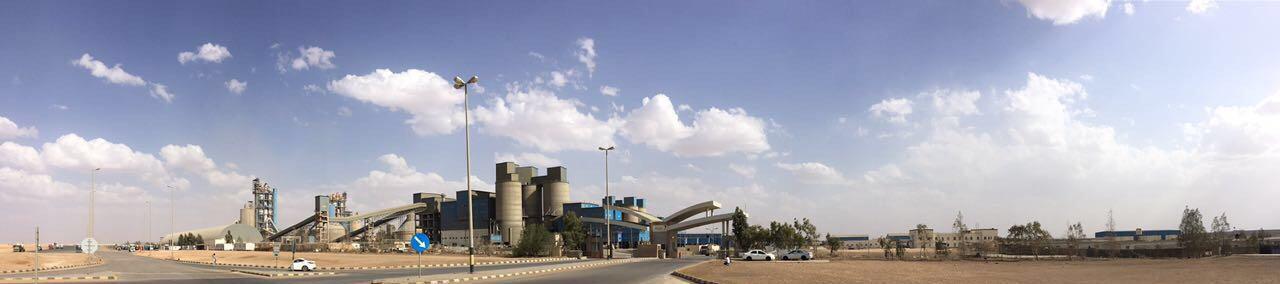
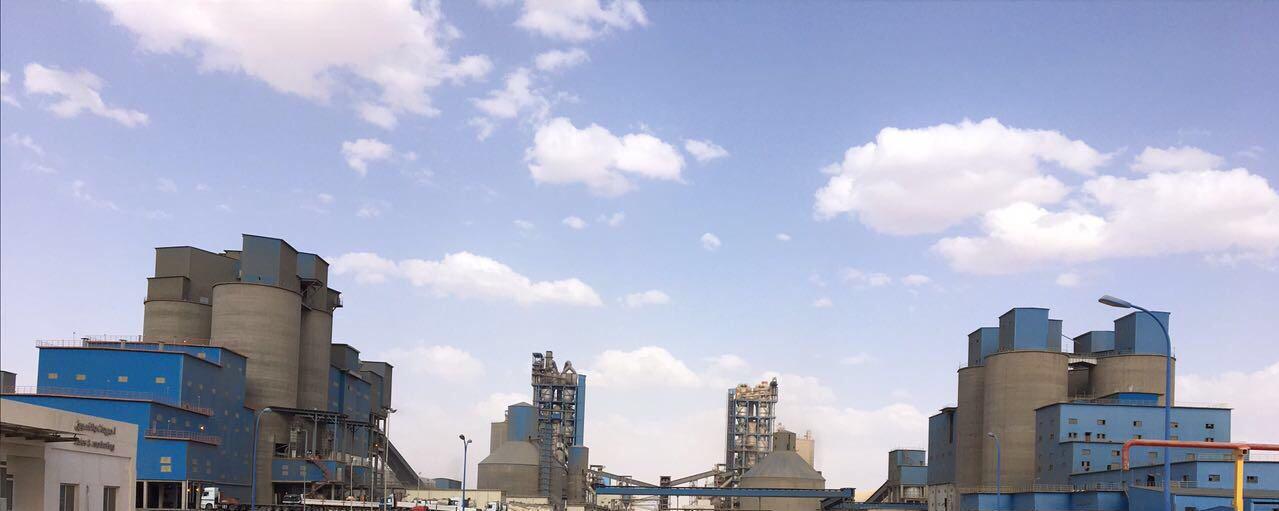
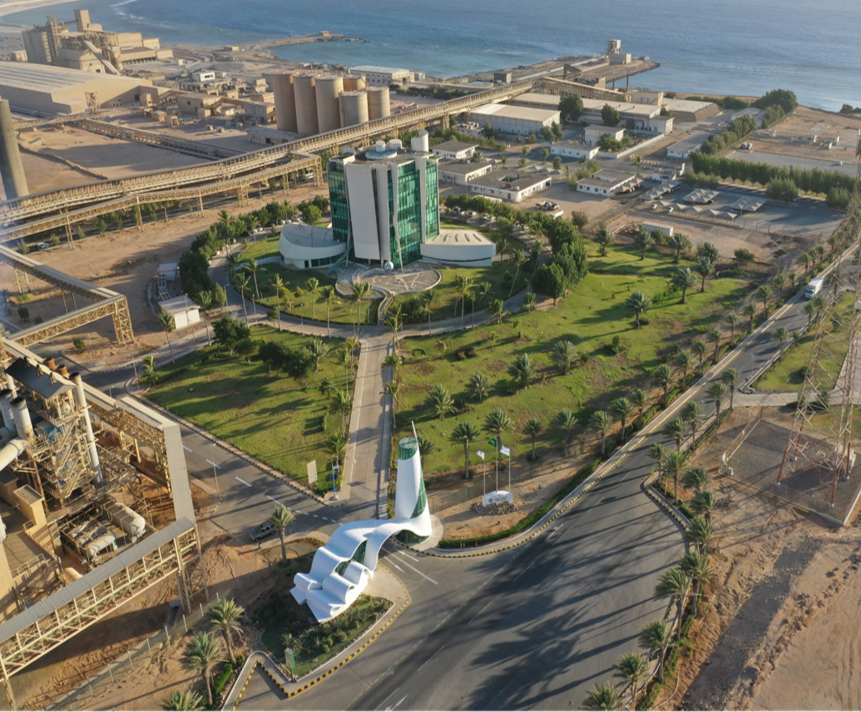
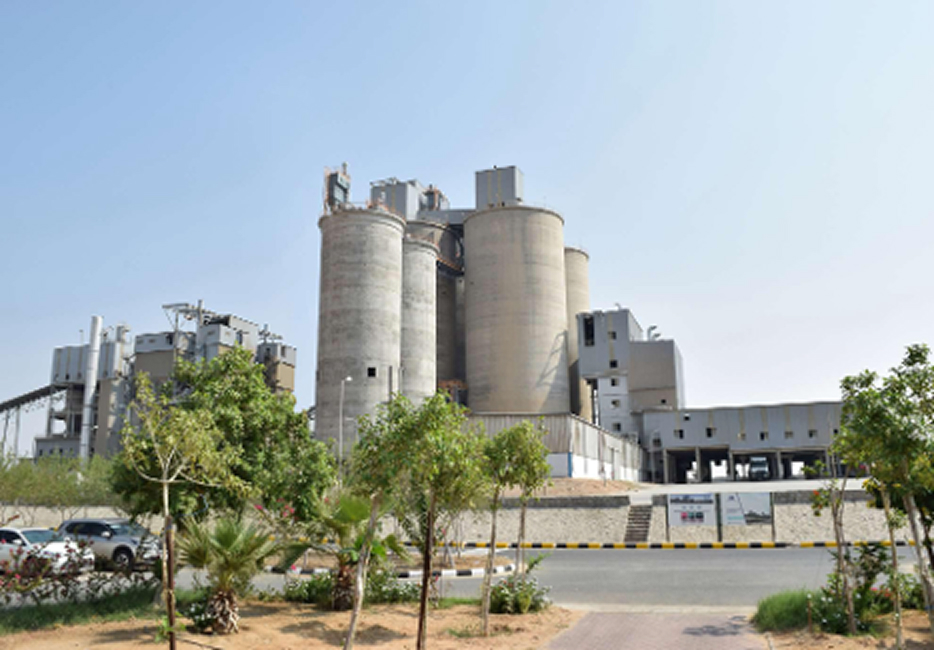
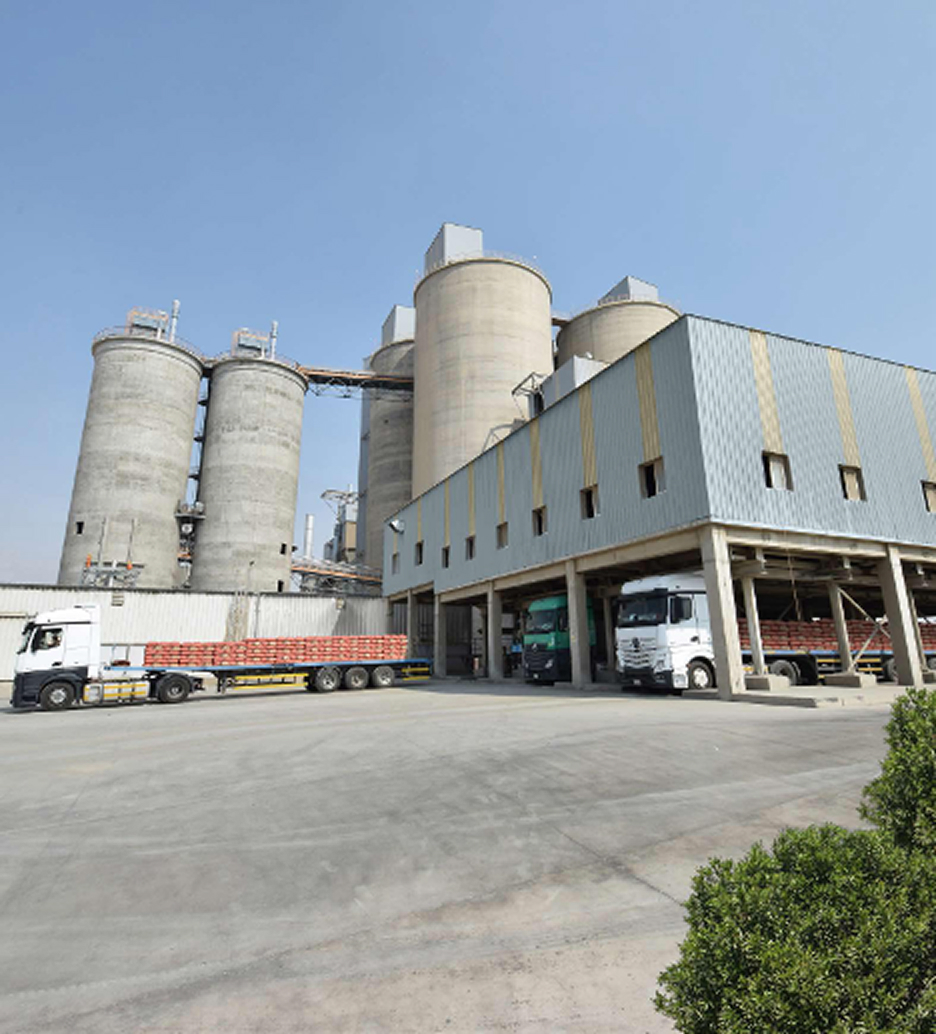
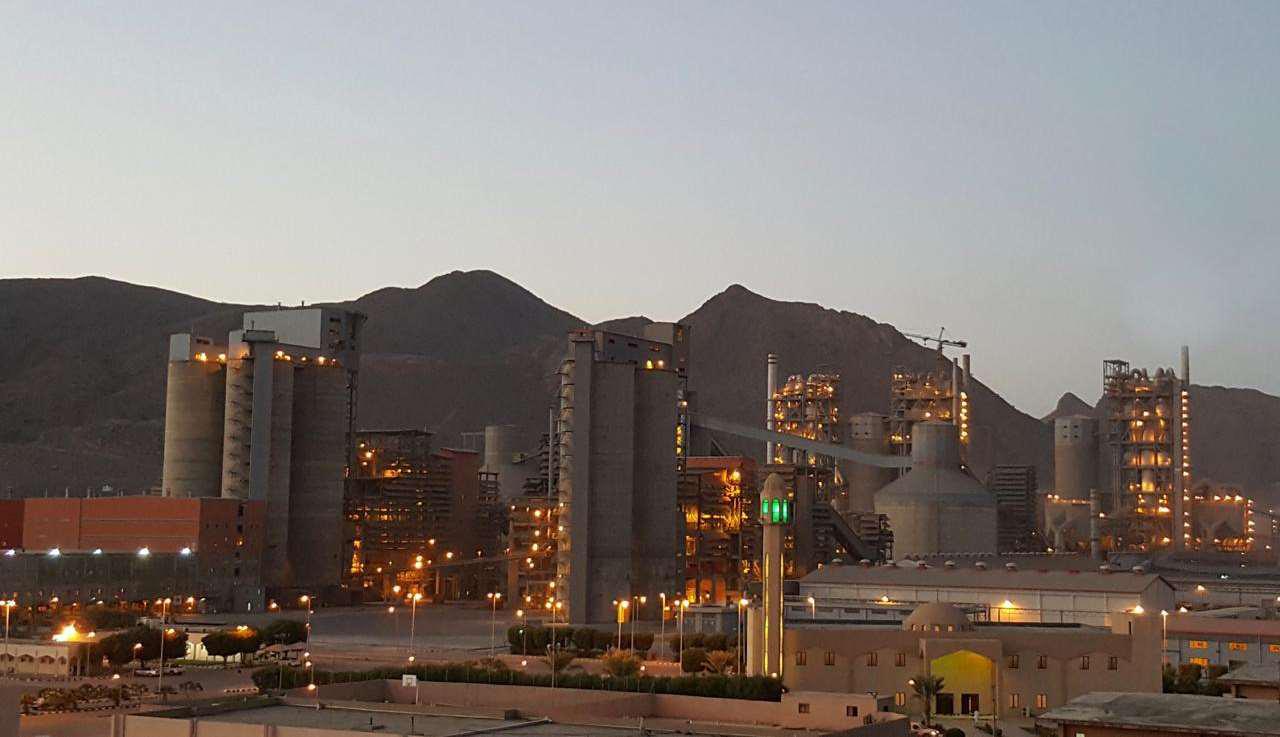
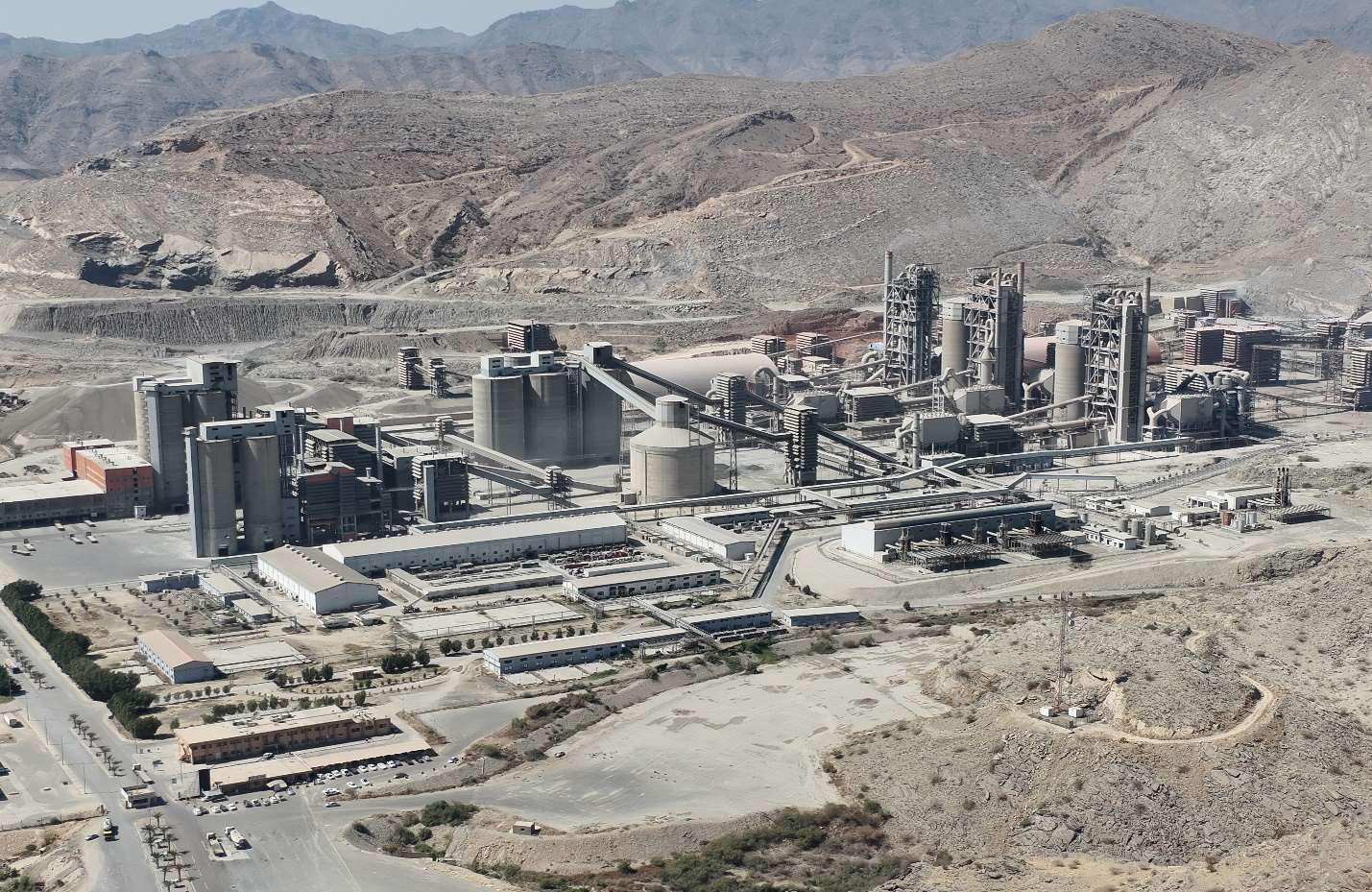
Eastern Province Cement Company (EPCC), headquartered in Dammam, is one of the established cement manufacturers in the Kingdom of Saudi Arabia, supplying high-quality cement to regional infrastructure and construction projects. The integrated cement plant currently operates four clinker production lines with a total cement capacity of approximately 3.8 million tons per year. The company is at a pivotal moment in its development: a comprehensive transformation program spanning energy efficiency, advanced production technology, digital systems, and renewable energy is underway simultaneously, making EPCC one of the more actively evolving production platforms in the sector.
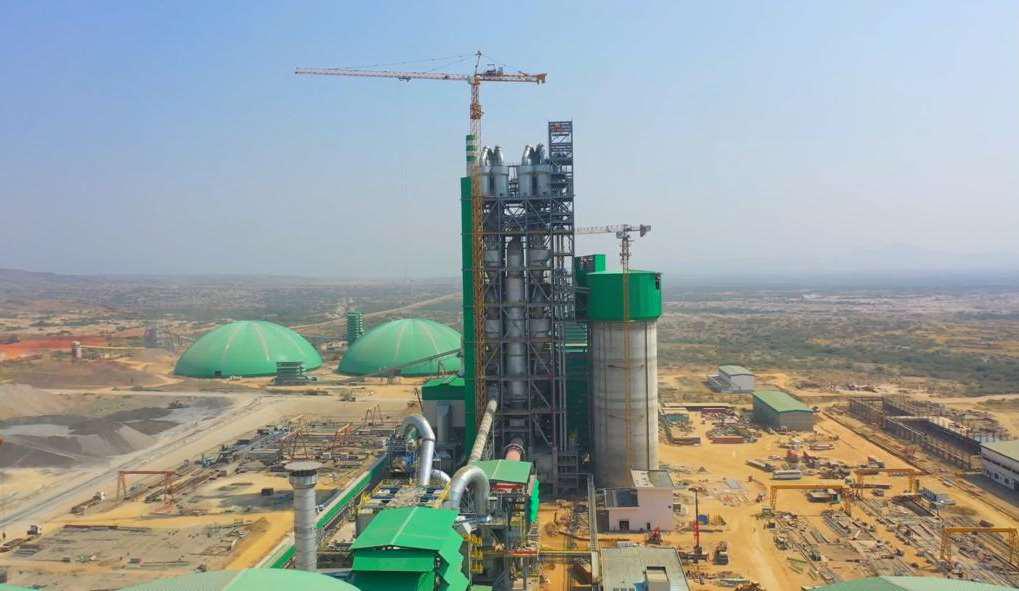
Two characteristics distinguish EPCC’s position from many of its peers. First, the plant already benefits from natural gas as its primary thermal fuel, supplied from the Jubail-Berri Gas Plant, and draws electrical power from the national grid via Saudi Electricity Company’s 115 kV network. These energy supply choices create a lower baseline carbon intensity than operations reliant on heavier liquid fuels, and provide the technical foundation on which further efficiency improvements compound more effectively. Second, the company is commissioning a new Line-5 clinker production line at 10,000 tons per day capacity that incorporates state-of-the-art process technology throughout, representing a structural step-change in the plant’s performance profile rather than an incremental improvement to existing assets.
Energy Efficiency: Seventeen Initiatives, Measurable Results
EPCC has implemented a structured Energy Efficiency Improvement Program (EEIP) comprising more than 17 discrete initiatives targeting thermal and electrical energy consumption across the plant. The discipline of packaging energy improvement into a formal program with defined initiatives, tracked outcomes, and a named owner structure is itself a marker of organizational maturity. It reflects the understanding that energy efficiency in a cement plant is not a single project but a portfolio of coordinated interventions that together shift the plant’s performance profile.
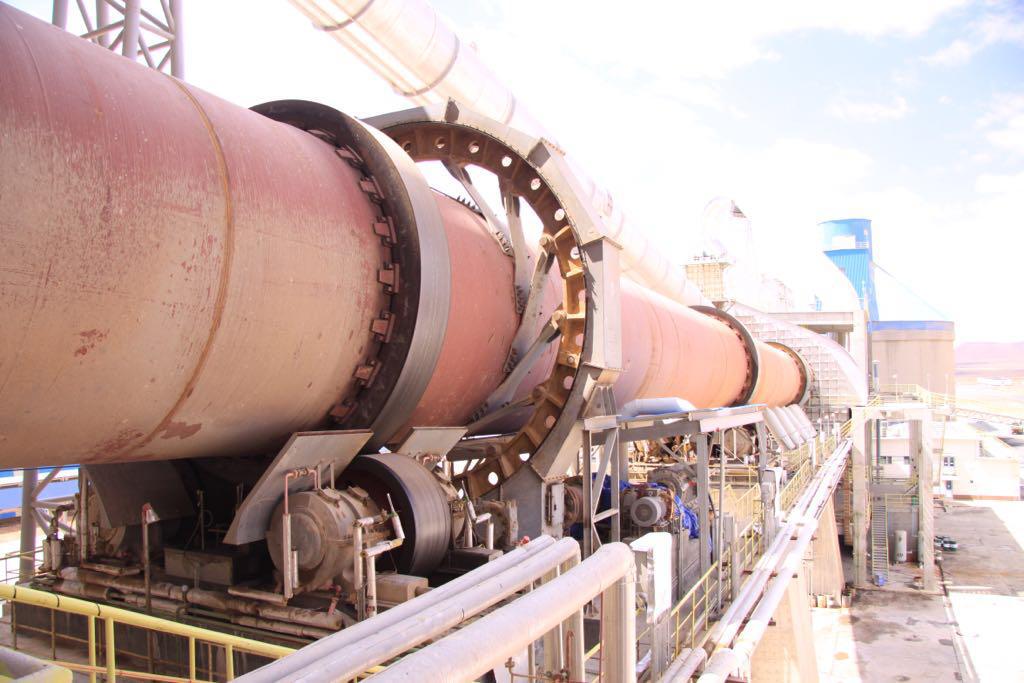
On the thermal side, the EEIP initiatives have targeted kiln and preheater operation, air leakage reduction in process systems, combustion efficiency improvement, and process equipment upgrades. The combined outcome of these thermal initiatives has delivered annual fuel savings of approximately 80 kcal per kg of clinker. To place this in context: at the scale of a 3.8 million ton per year cement operation, a reduction of 80 kcal per kg of clinker translates directly into a meaningful reduction in CO2 emissions per ton of cement, since every calorie of avoided fuel combustion eliminates the associated combustion emissions while also reducing the heat available to drive the calcination reaction.
On the electrical side, the EEIP has addressed process fans, grinding equipment, motors, and auxiliary systems across the plant. These improvements have achieved an average reduction of approximately 10 kWh per ton of cement in specific electrical consumption. For a plant producing 3.8 million tons of cement annually, a sustained 10 kWh per ton reduction represents approximately 38 million kWh of avoided electricity consumption per year, lowering both operating cost and Scope 2 carbon intensity.
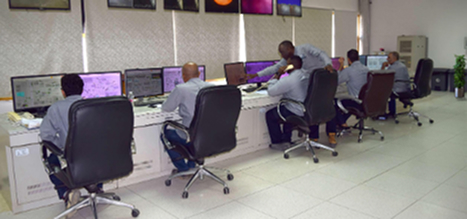
The SIRI assessment confirmed that EPCC’s energy efficiency program is supported by a well-developed operational technology environment. The plant’s production processes are fully automated, with all major production equipment connected through an integrated control system that provides continuous monitoring, deviation alerting, and real-time performance visibility. Facility systems operate with high automation levels, and the Enterprise Connectivity dimension reflects a modern ERP environment accessible in real time from any location. This infrastructure creates the information flow required for energy management to be responsive rather than retrospective.
Line 5
A New Generation of Production Technology
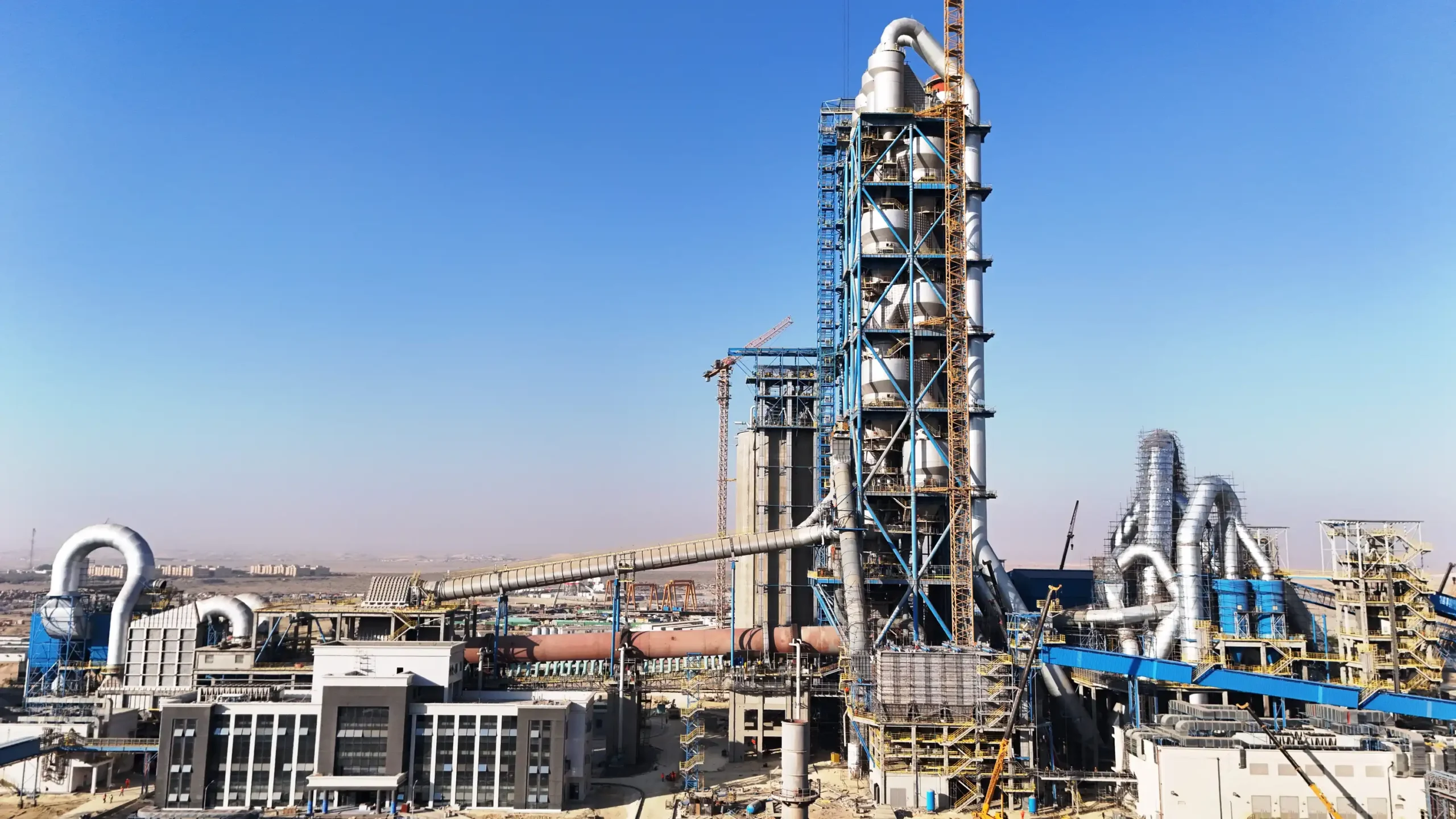
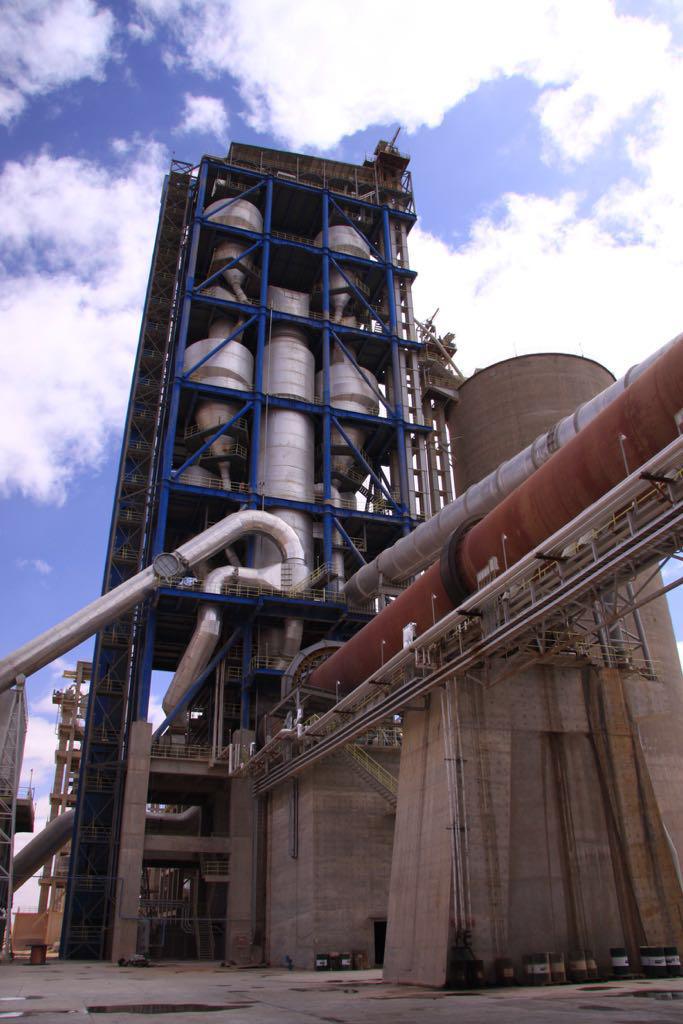
The new 10,000 ton per day clinker production line represents the most significant single investment in EPCC’s operational history and embeds the full range of advanced cement manufacturing technology available today.
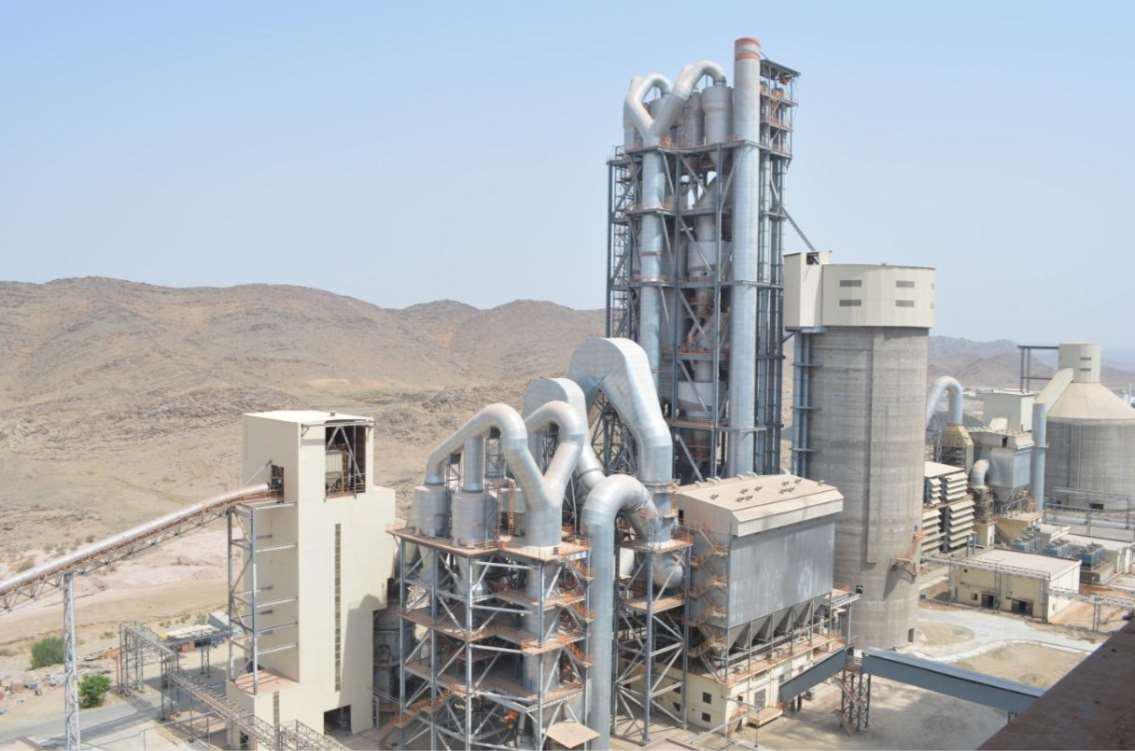
The line integrates high-efficiency preheater systems, modern clinker cooler technology, optimized grinding systems, and advanced process control from the ground up. All major process fans are equipped with Variable Frequency Drives, enabling continuous matching of airflow to process demand rather than throttling fixed-speed drives. The design targets 20 to 25 percent lower specific power consumption and 25 to 30 percent lower thermal energy consumption compared with the existing clinker lines. If these design targets are achieved at commercial scale, Line 5 will operate at a significantly lower energy intensity than any of the four existing lines, reducing the blended plant average and establishing a new performance benchmark for the Eastern Province operation.
From an environmental perspective, Line 5 is equipped with modern baghouse filtration systems capable of maintaining dust emissions below 10 mg per normal cubic meter, a level that meets international best-practice standards for particulate emissions. Selective Non-Catalytic Reduction technology is installed to control nitrogen oxide emissions during clinker production, addressing one of the more technically challenging emission streams in cement manufacturing. The combination of sub-10 mg/Nm³ dust control and SNCR-based NOx reduction gives Line 5 an environmental performance profile that aligns with the requirements of the most demanding regulatory frameworks in the global cement sector.
Smart Quality Control
The Robotic Laboratory
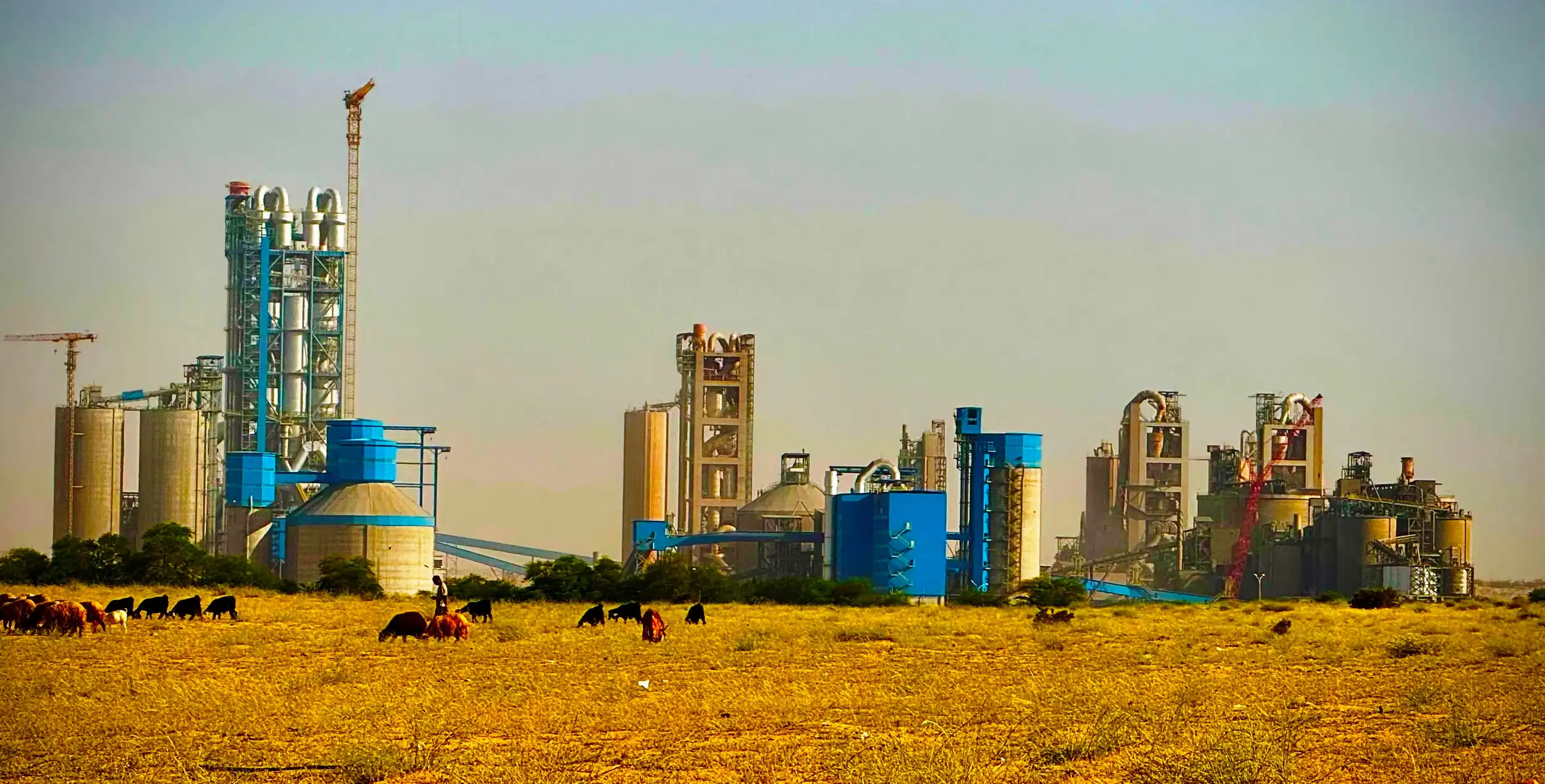
As part of the Line 5 modernization program, EPCC is implementing an automated sampling and robotic laboratory system that represents a significant upgrade in process quality control capability.
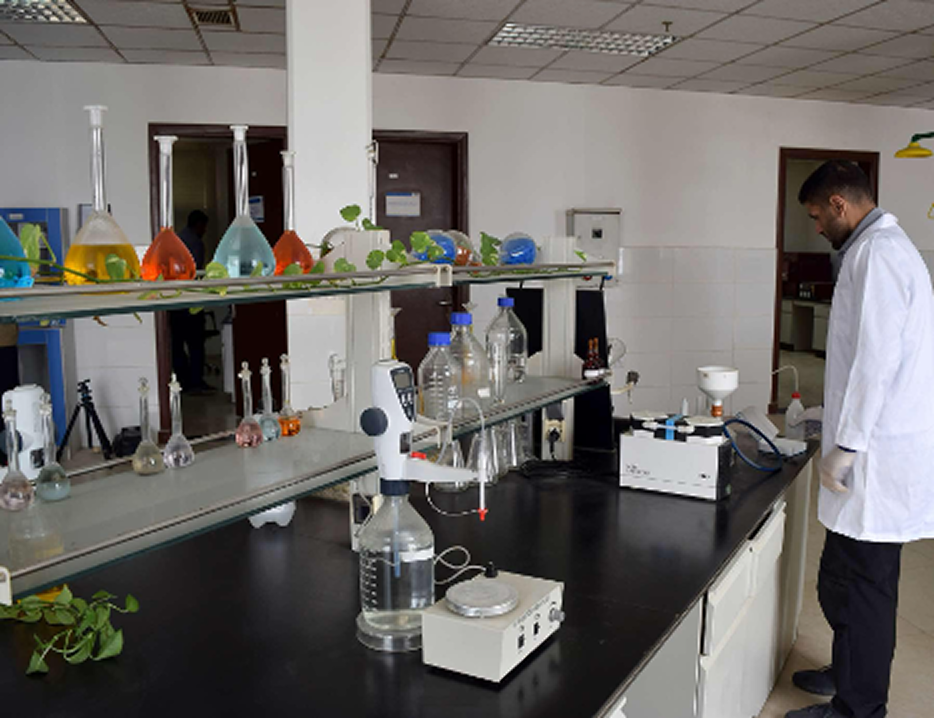
Automatic sample collectors are installed at key locations across the full production chain: raw material streams, raw meal, kiln feed, clinker, and cement grinding circuits. Samples are automatically transported to the central laboratory where robotic systems perform preparation and analysis, eliminating the handling variability and cycle time of manual sampling. The laboratory integrates online raw material analyzers, online free lime analyzers, online particle size analyzers, and online X-ray fluorescence systems, creating continuous analytical coverage across all critical quality parameters.
The rapid analytical results feed directly into the plant’s process control systems, enabling real-time adjustments to raw mix proportions and grinding parameters without waiting for manual laboratory turnaround. This closed-loop quality control model improves kiln stability by reducing feed chemistry variation, improves product quality by detecting deviations at the earliest possible point in the production chain, and improves energy efficiency by minimizing the rework and overcorrection that result from delayed quality feedback.
The SIRI assessment noted that EPCC’s OT and IT systems are integrated, with information flowing across the hierarchical levels of the automation pyramid. The robotic laboratory, once fully commissioned, will deepen this integration by creating a continuous, machine-generated quality data stream that can inform both process control and enterprise reporting without human intermediary steps.


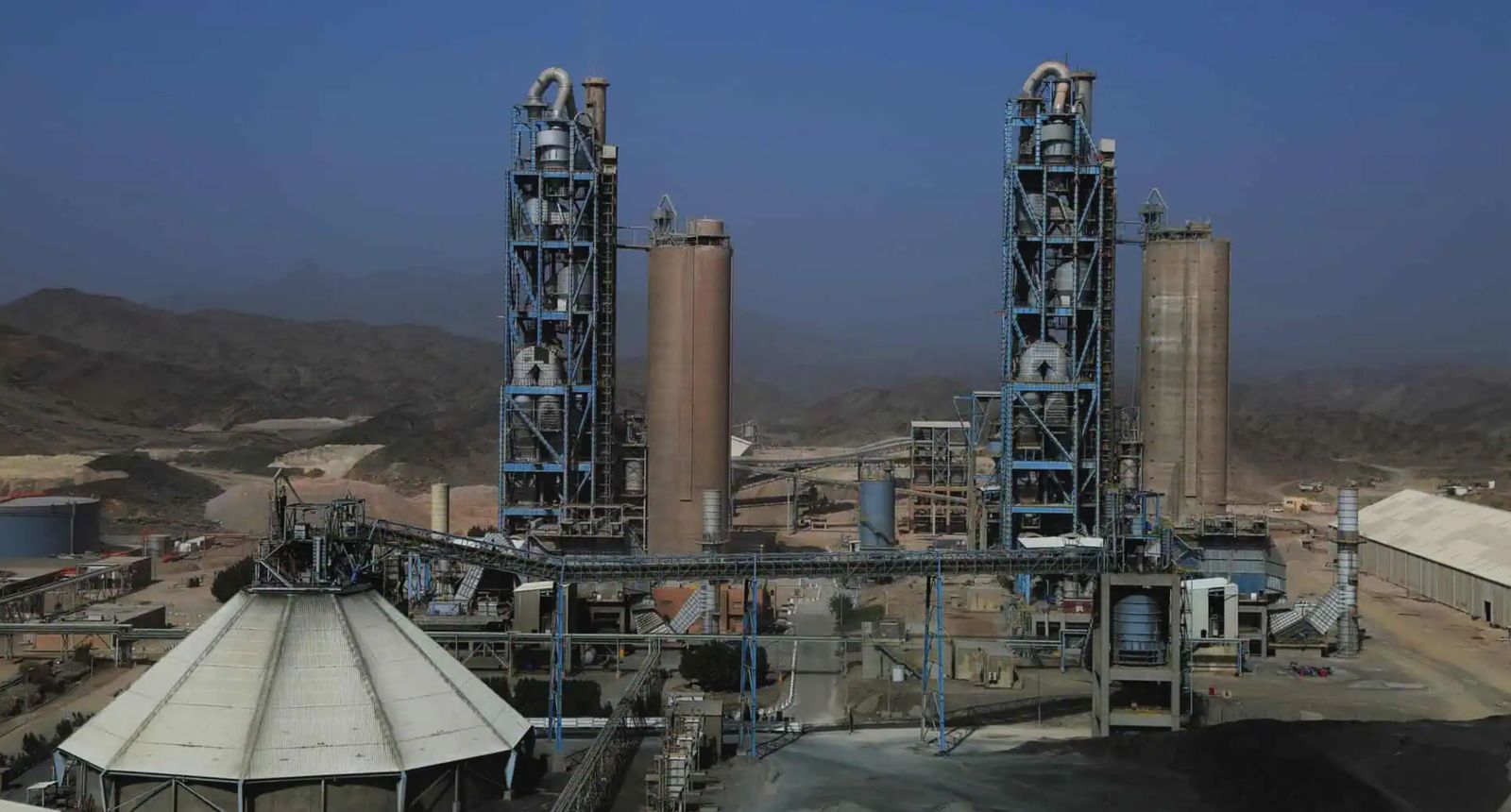
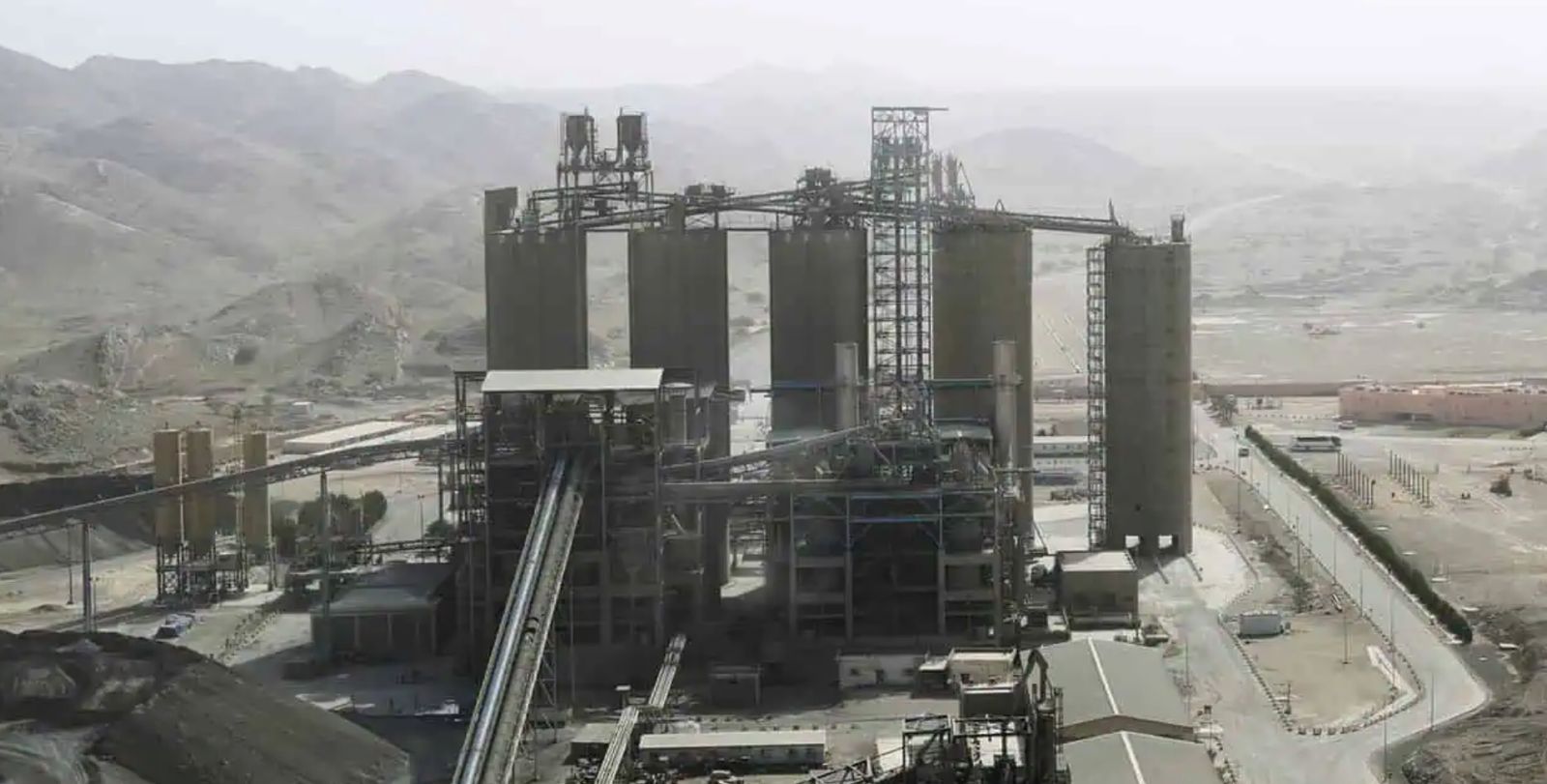

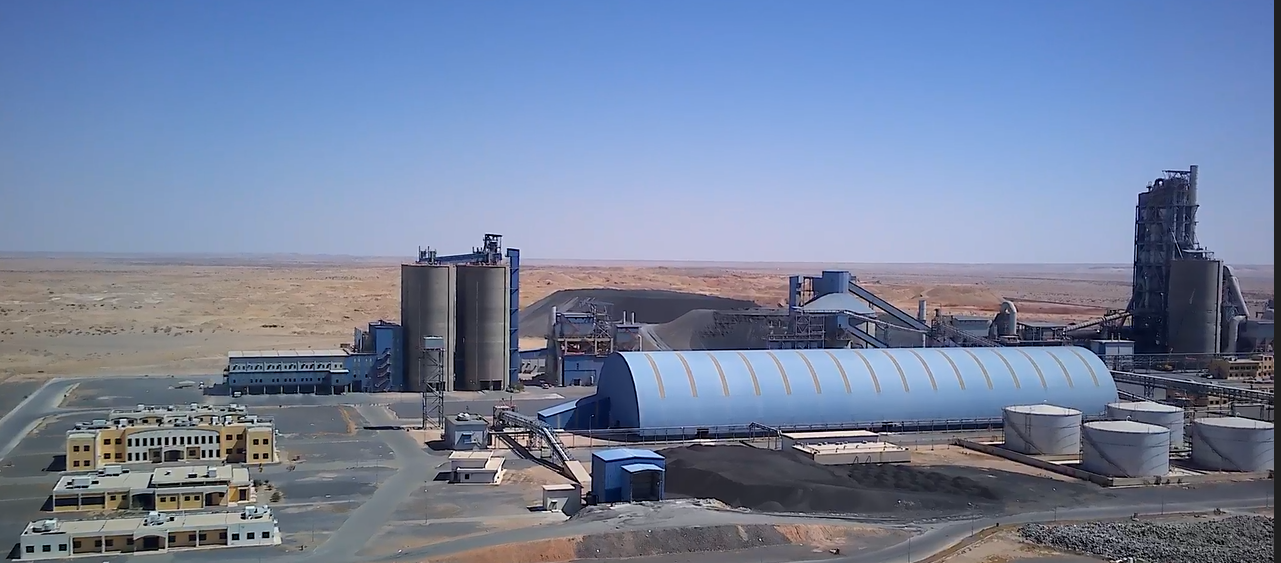

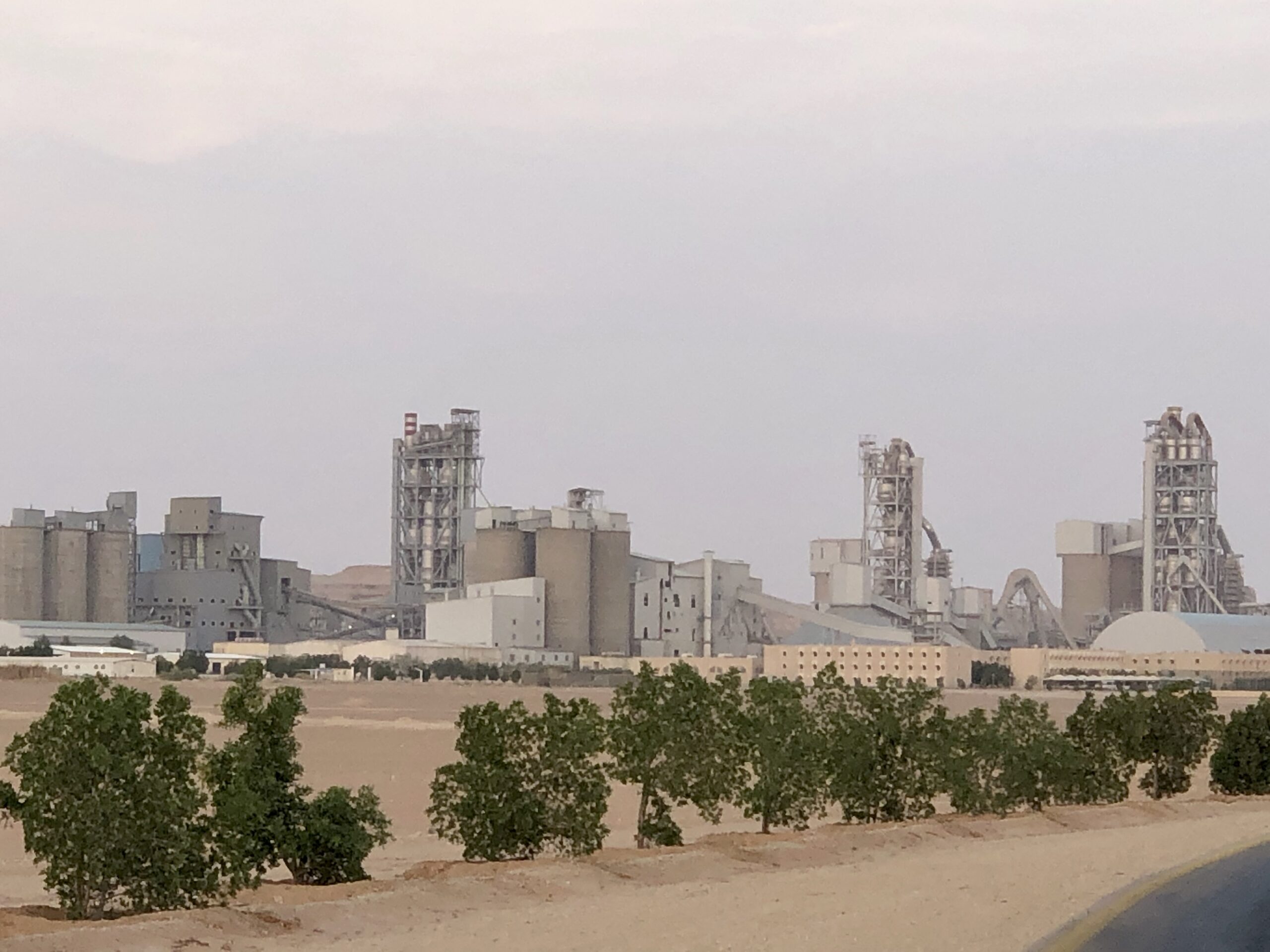
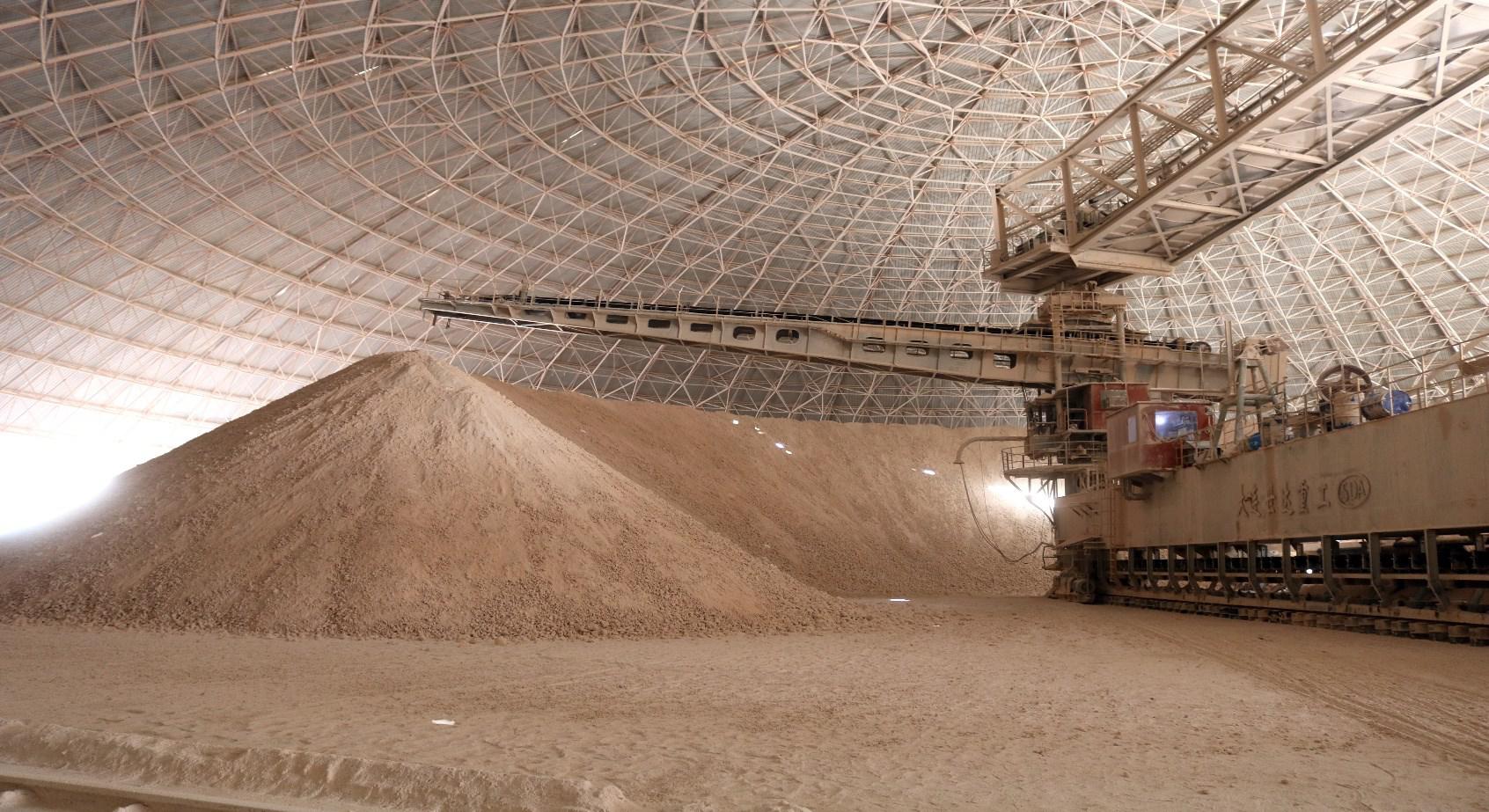

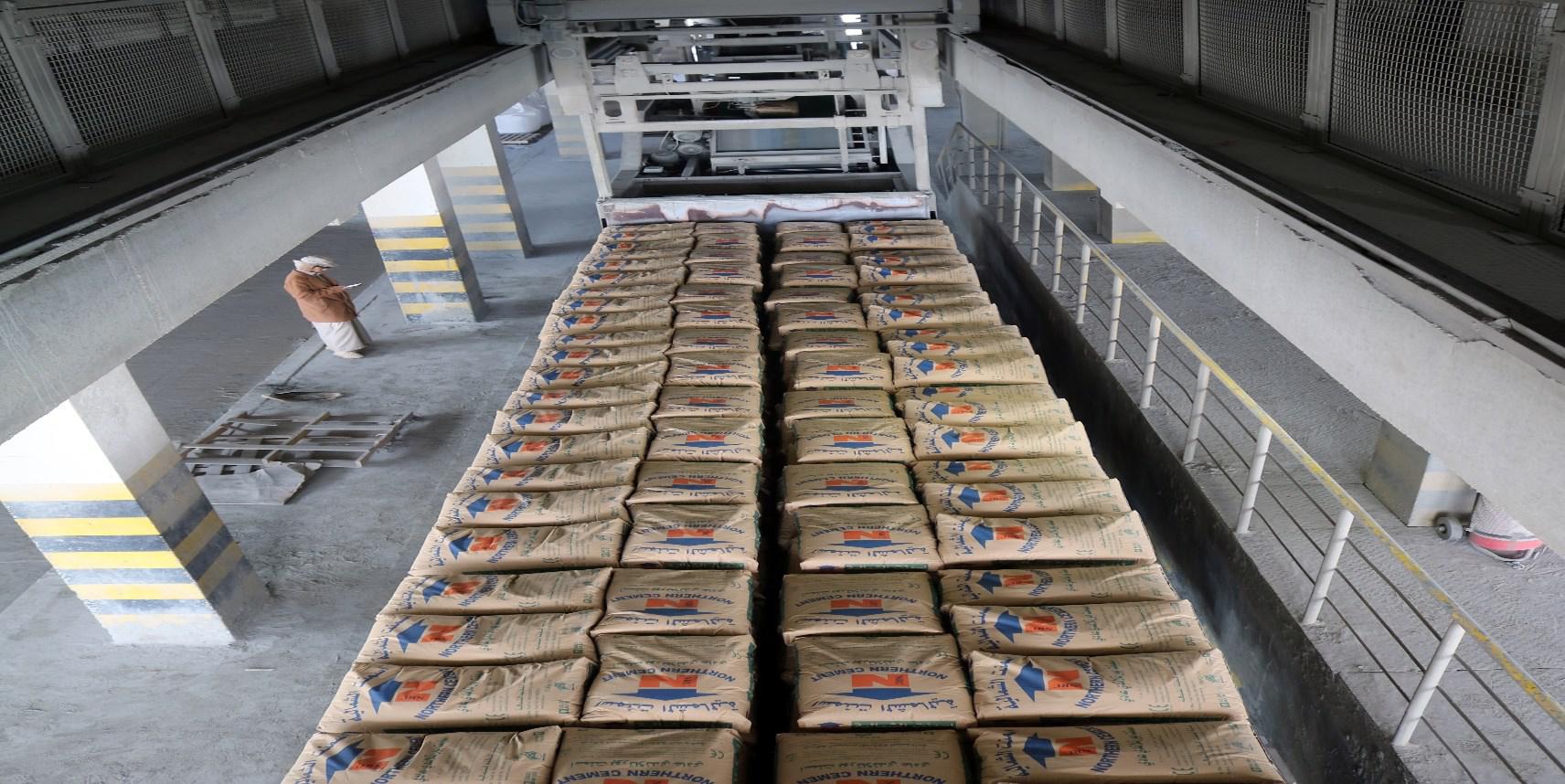
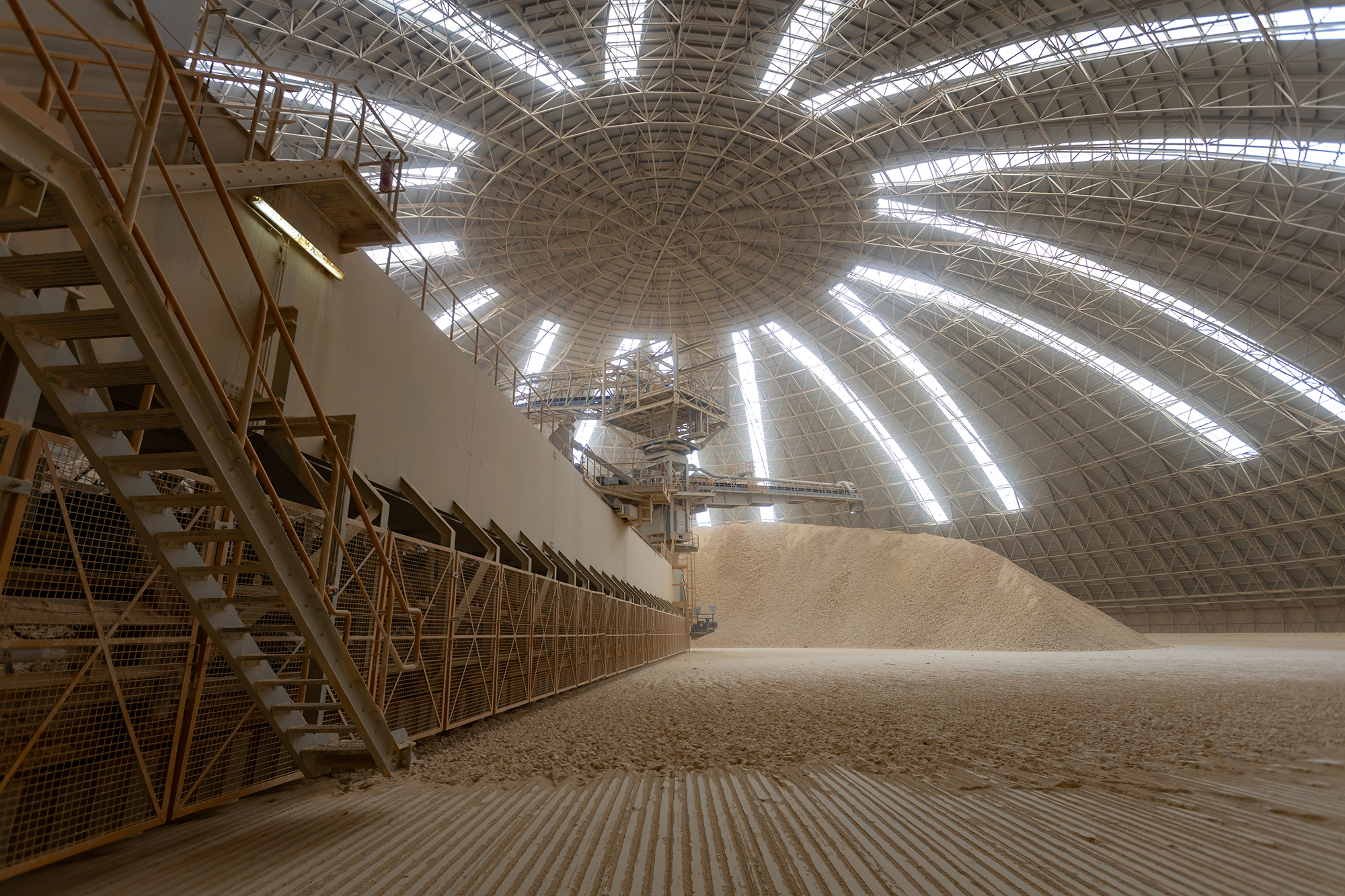
 The commitment to green cement, with over 40 percent of total production dedicated to lower-carbon PPC and finishing cement variants, is not an aspirational statement. It is the current production reality of the plant. PPC achieves its lower carbon intensity by replacing a portion of clinker with pozzolanic materials, thereby reducing both the thermal energy demand and the process CO2 associated with clinker production. At a scale of 2 million tons per year of installed capacity, with cumulative production already exceeding 15 million tons, UCIC’s green cement output represents a meaningful contribution to the decarbonization of the construction materials supply chain serving Jeddah, Makkah, and the broader western and southern regions.
 The risk management program is comprehensive and structured. The company deploys Risk Matrix analysis, Failure Mode and Effects Analysis (FMEA), and Bowtie Analysis for preventive scenario planning. A phased Cybersecurity Executive Program is underway through 2027, covering infrastructure hardening, business continuity systems, SCADA security, and ultimately a Zero Trust architecture supported by AI-based digital forensics tools.