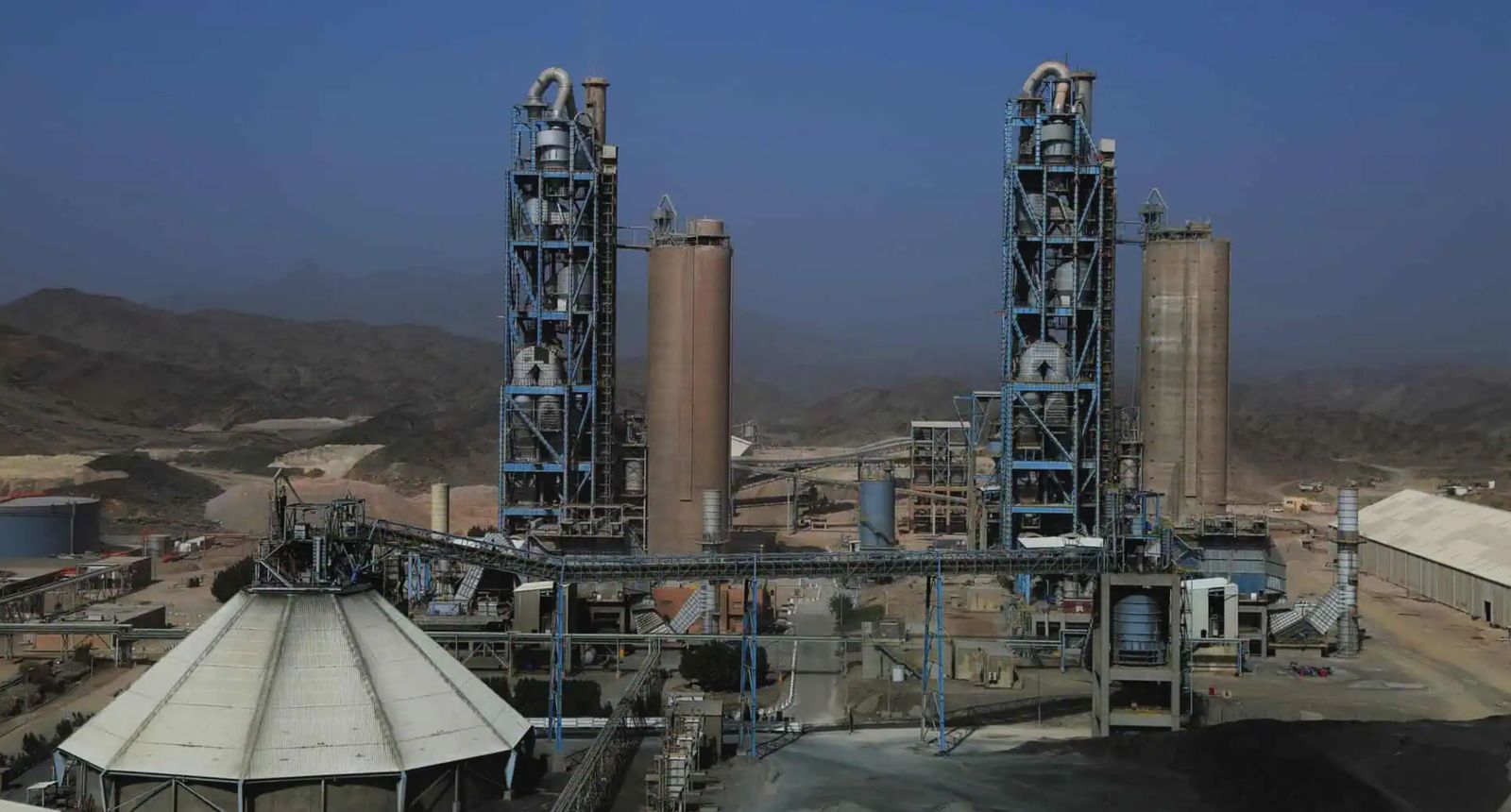
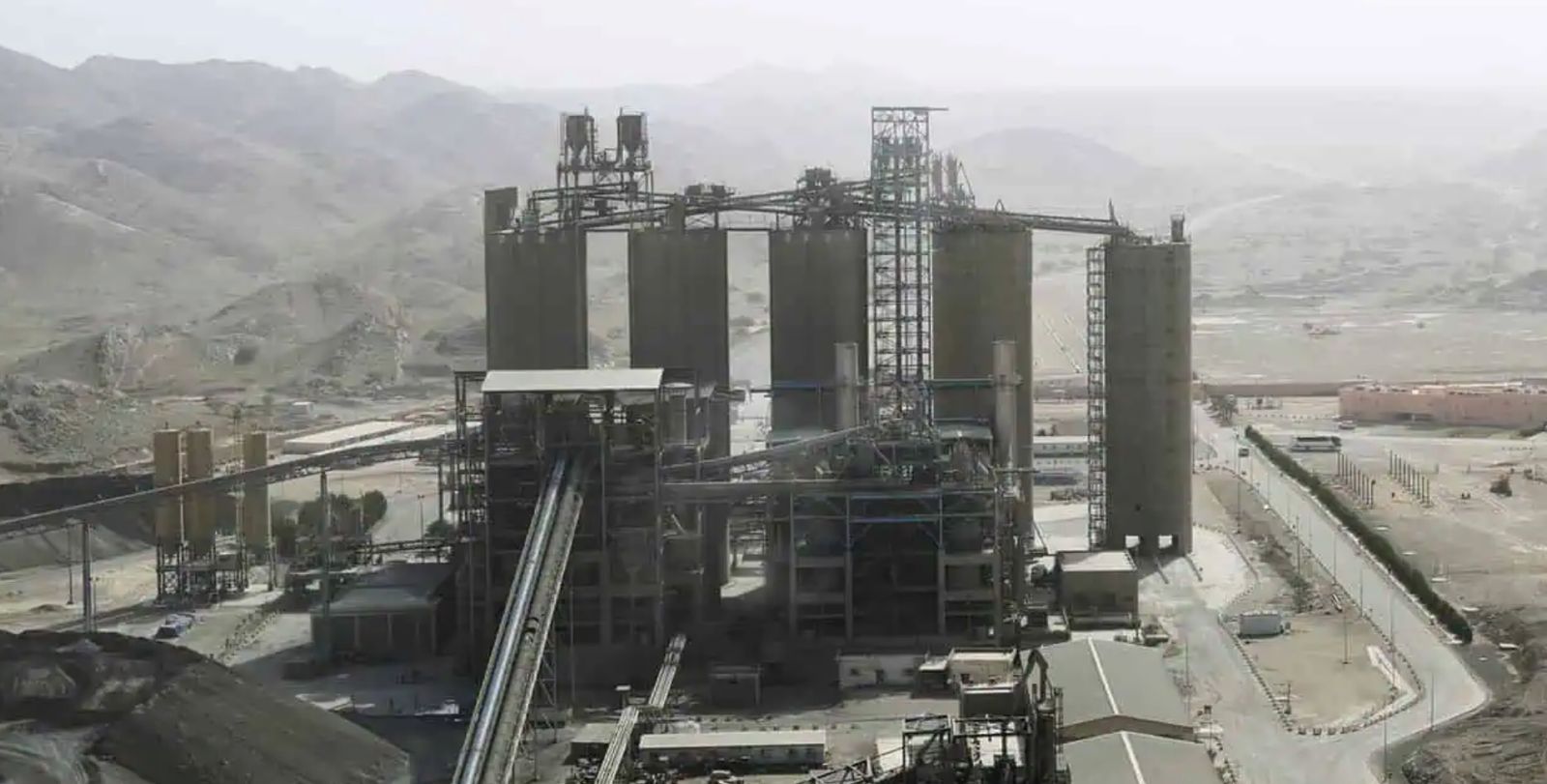
Alsafwa’s sustainability story begins with a recognition of the geography and industrial context of its location. The western region of Saudi Arabia generates substantial volumes of industrial waste, including carbon ash from heavy fuel oil combustion in desalination and power generation plants, scrap tires from the Jeddah urban agglomeration, and industrial waste oils and sludge from the refineries and petrochemical complexes at Yanbu. Most of this waste historically accumulated in landfills or was disposed of through methods that generated additional environmental costs. Alsafwa chose to treat these waste streams as fuel and raw material inputs rather than disposal problems.
The carbon ash program began with multi-million SAR investments starting in 2016. Carbon ash, also known as soot, is a byproduct of the incomplete combustion of heavy fuel oil in industrial boilers. Its handling and disposal present a persistent environmental challenge for the desalination and power generation sectors that produce it in large volumes. Alsafwa signed long-term contracts with several companies to receive and coprocess their carbon ash, injecting it into cement kilns as an alternative fuel. The company obtained the first-of-its-kind environmental license in Saudi Arabia for the coprocessing of waste tires, waste oils, and carbon ash in cement kilns, a regulatory milestone that created the legal and technical precedent for the broader alternative fuel sector in the Kingdom.
The tire-derived fuel program is the most visually compelling dimension of the coprocessing portfolio. In 2019, Jeddah’s main tire landfill held an estimated 12 million accumulated tires, with approximately 2 million new tires being added each year. Alsafwa constructed and operates the largest tire shredding facility in Saudi Arabia, with a processing capacity of 4.8 million tires annually, and signed a long-term agreement with Jeddah Municipality to receive and process these tires as kiln fuel. Since launching the facility in 2019, the company has processed more than 6 million tires. The satellite imagery comparison of the Jeddah landfill between 2019 and 2023 is a direct and visible demonstration of the program’s environmental impact: a landfill that was growing has been materially reduced.
The alternative raw materials program extends the same philosophy to the solid inputs of cement production. Alsafwa has achieved 100 percent substitution of natural gypsum with synthetic gypsum, a by-product of flue gas desulfurization (FGD) processes in industrial plants. Natural gypsum is a mined material; synthetic gypsum is an industrial waste. Using it eliminates a disposal problem for the industrial sector while reducing the environmental cost of gypsum extraction for the cement sector. The company has similarly achieved 100 percent substitution of iron ore with mill scale, a waste product from steel manufacturing companies, eliminating a mining input entirely and creating value from an industrial by-product. A third substitution program is in progress: replacing bauxite in the raw mix with red mud, a by-product of the alumina manufacturing process that currently poses significant waste management challenges for the aluminum industry.
Taken together, the carbon ash, tire-derived fuel, synthetic gypsum, mill scale, and red mud programs constitute one of the most comprehensive waste-to-resource integration models in the Saudi cement industry. Alsafwa is not operating a single alternative fuel project. It is operating a systematic platform for industrial symbiosis, in which waste streams from multiple industries are converted into productive inputs for cement manufacturing, reducing landfill volumes, eliminating fossil fuel and mining inputs, and lowering the carbon intensity of every ton of cement produced.