Eastern Province Cement Company

Eastern Province Cement Company

Engineering a Cleaner, Smarter Future from the Eastern Province

Line 5

A New Generation of Production Technology
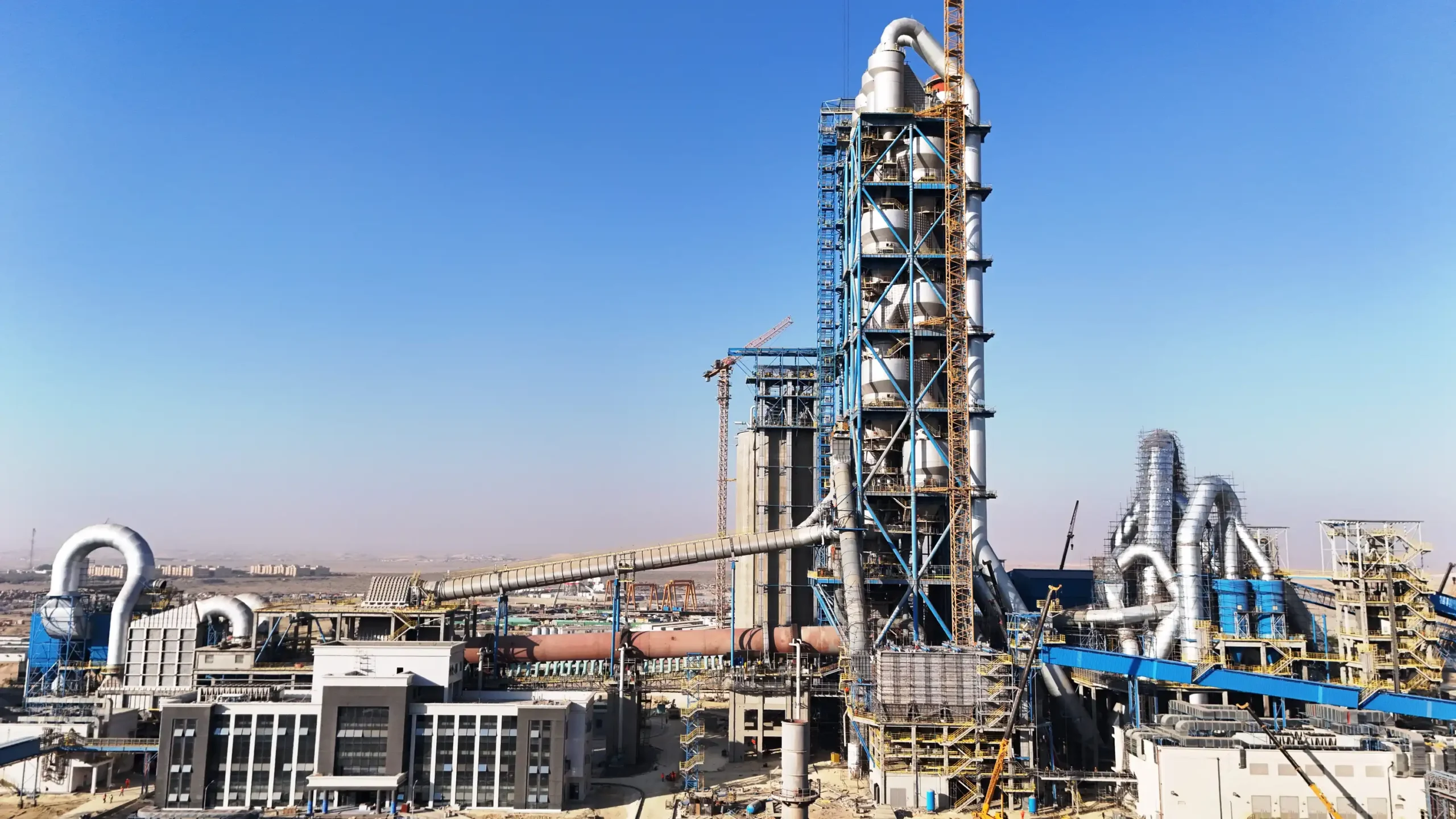
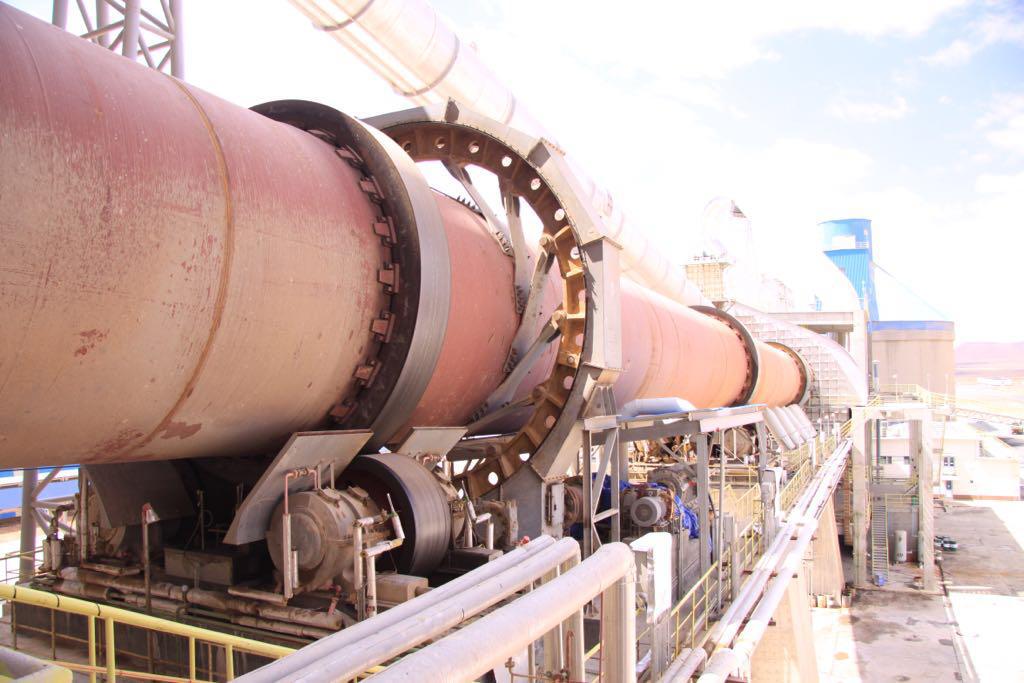
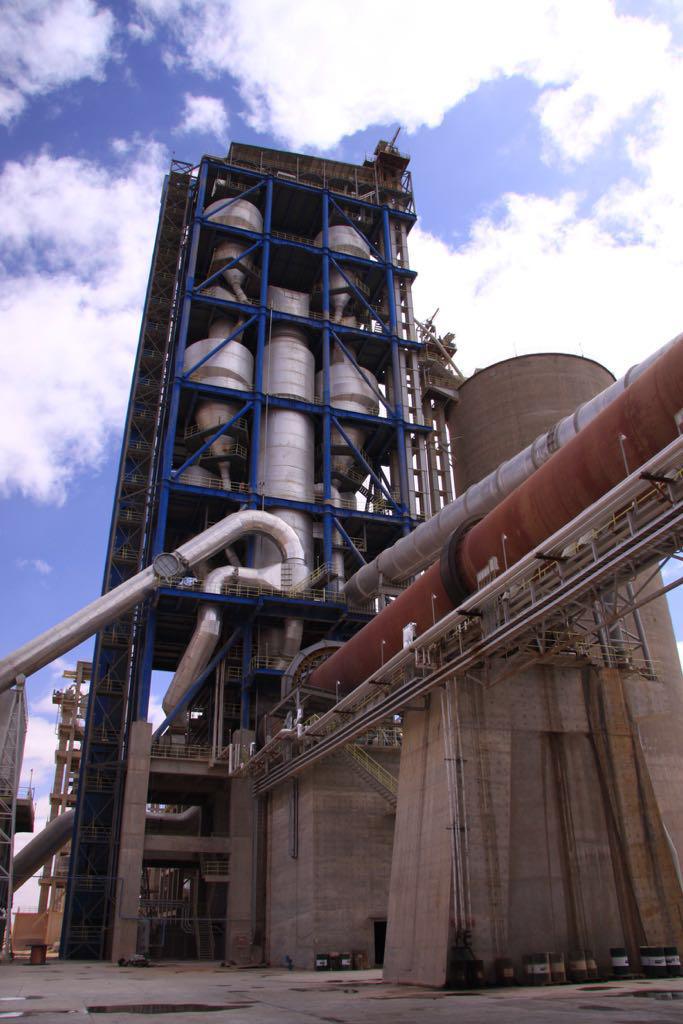
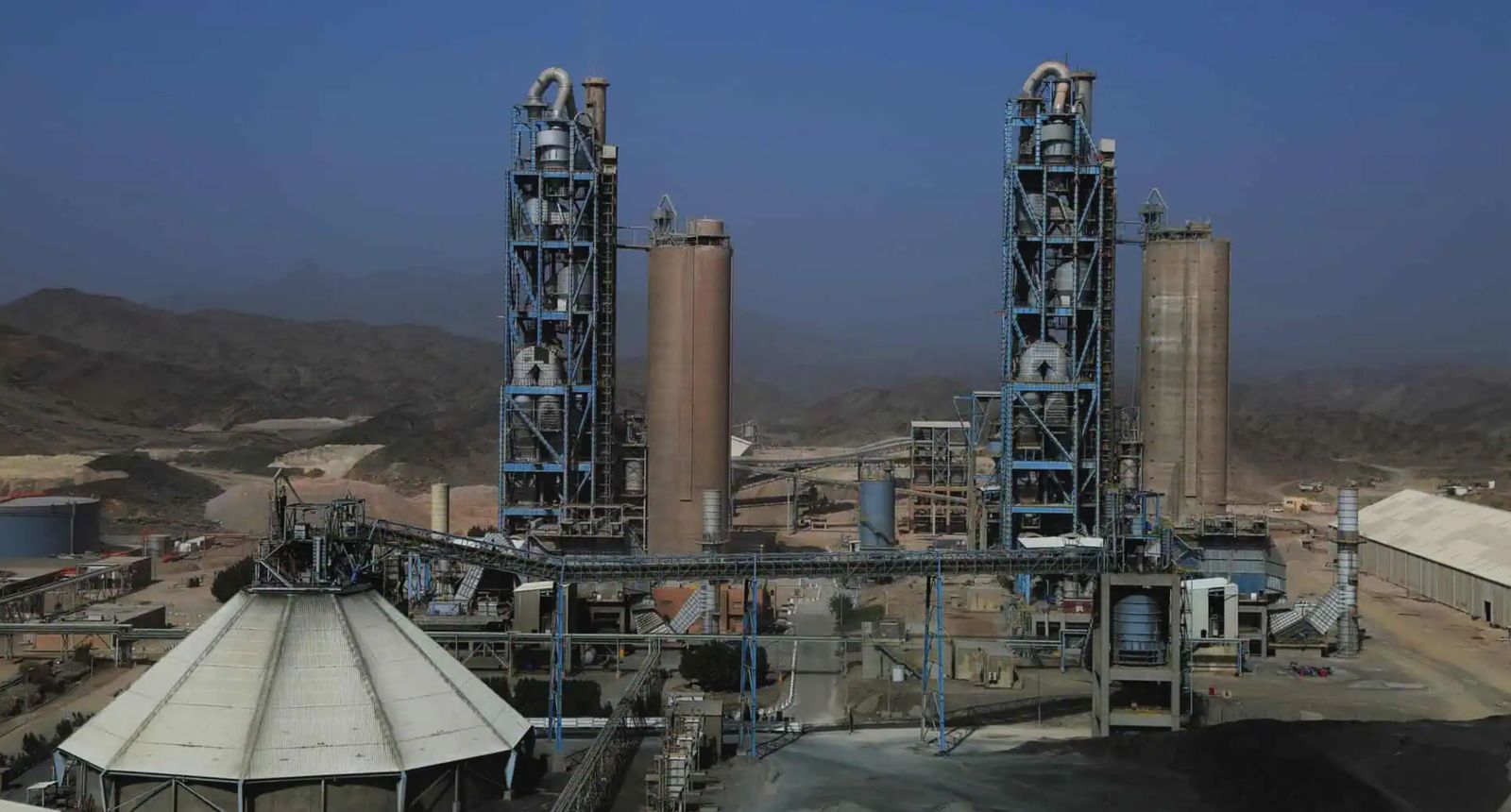
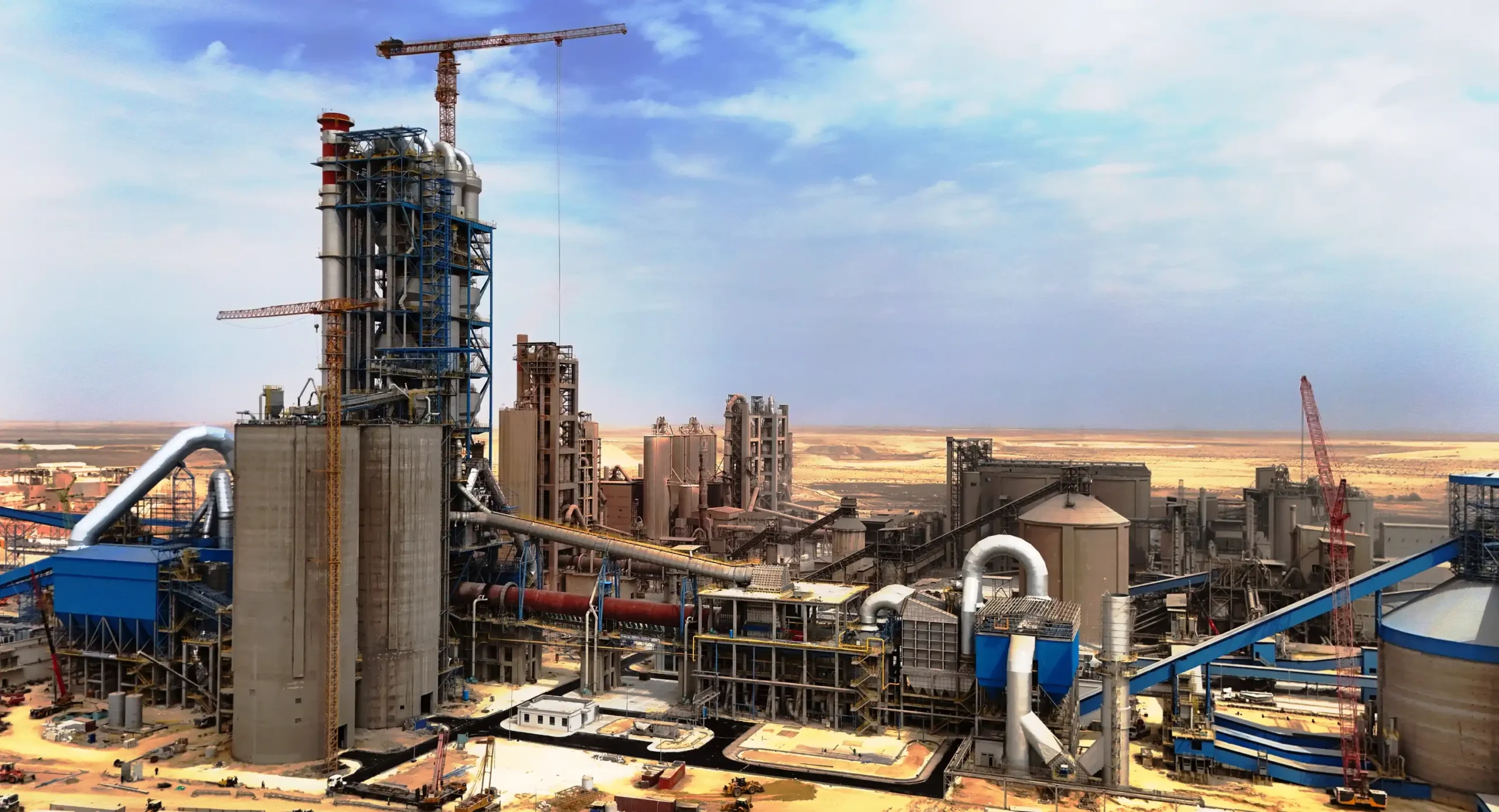
The new 10,000 ton per day clinker production line represents the most significant single investment in EPCC’s operational history and embeds the full range of advanced cement manufacturing technology available today.

The line integrates high-efficiency preheater systems, modern clinker cooler technology, optimized grinding systems, and advanced process control from the ground up. All major process fans are equipped with Variable Frequency Drives, enabling continuous matching of airflow to process demand rather than throttling fixed-speed drives. The design targets 20 to 25 percent lower specific power consumption and 25 to 30 percent lower thermal energy consumption compared with the existing clinker lines. If these design targets are achieved at commercial scale, Line 5 will operate at a significantly lower energy intensity than any of the four existing lines, reducing the blended plant average and establishing a new performance benchmark for the Eastern Province operation.

From an environmental perspective, Line 5 is equipped with modern baghouse filtration systems capable of maintaining dust emissions below 10 mg per normal cubic meter, a level that meets international best-practice standards for particulate emissions. Selective Non-Catalytic Reduction technology is installed to control nitrogen oxide emissions during clinker production, addressing one of the more technically challenging emission streams in cement manufacturing. The combination of sub-10 mg/Nm³ dust control and SNCR-based NOx reduction gives Line 5 an environmental performance profile that aligns with the requirements of the most demanding regulatory frameworks in the global cement sector.

Smart Quality Control

The Robotic Laboratory
As part of the Line 5 modernization program, EPCC is implementing an automated sampling and robotic laboratory system that represents a significant upgrade in process quality control capability.

Automatic sample collectors are installed at key locations across the full production chain: raw material streams, raw meal, kiln feed, clinker, and cement grinding circuits. Samples are automatically transported to the central laboratory where robotic systems perform preparation and analysis, eliminating the handling variability and cycle time of manual sampling. The laboratory integrates online raw material analyzers, online free lime analyzers, online particle size analyzers, and online X-ray fluorescence systems, creating continuous analytical coverage across all critical quality parameters.

The rapid analytical results feed directly into the plant’s process control systems, enabling real-time adjustments to raw mix proportions and grinding parameters without waiting for manual laboratory turnaround. This closed-loop quality control model improves kiln stability by reducing feed chemistry variation, improves product quality by detecting deviations at the earliest possible point in the production chain, and improves energy efficiency by minimizing the rework and overcorrection that result from delayed quality feedback.

The SIRI assessment noted that EPCC’s OT and IT systems are integrated, with information flowing across the hierarchical levels of the automation pyramid. The robotic laboratory, once fully commissioned, will deepen this integration by creating a continuous, machine-generated quality data stream that can inform both process control and enterprise reporting without human intermediary steps.
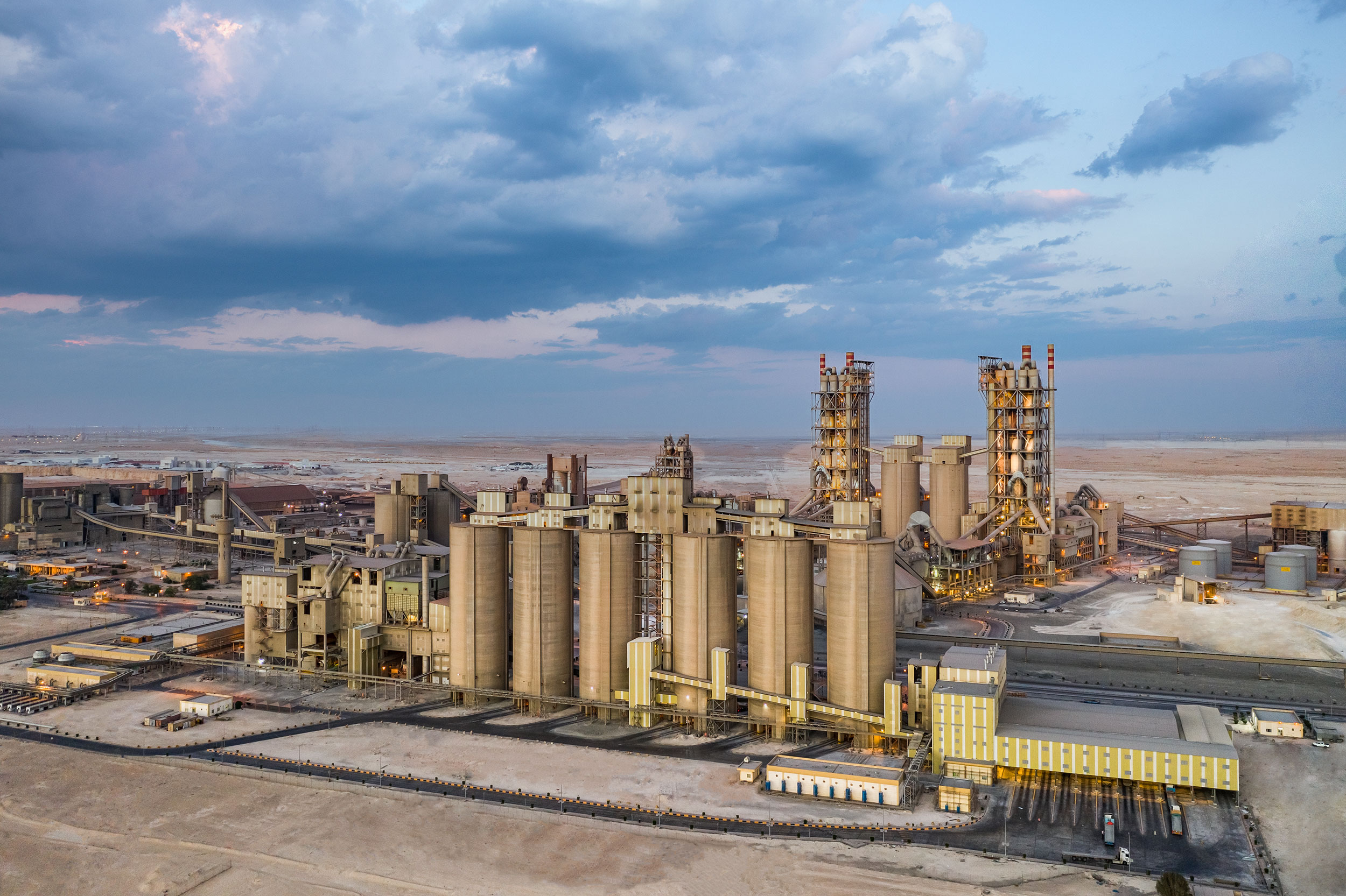
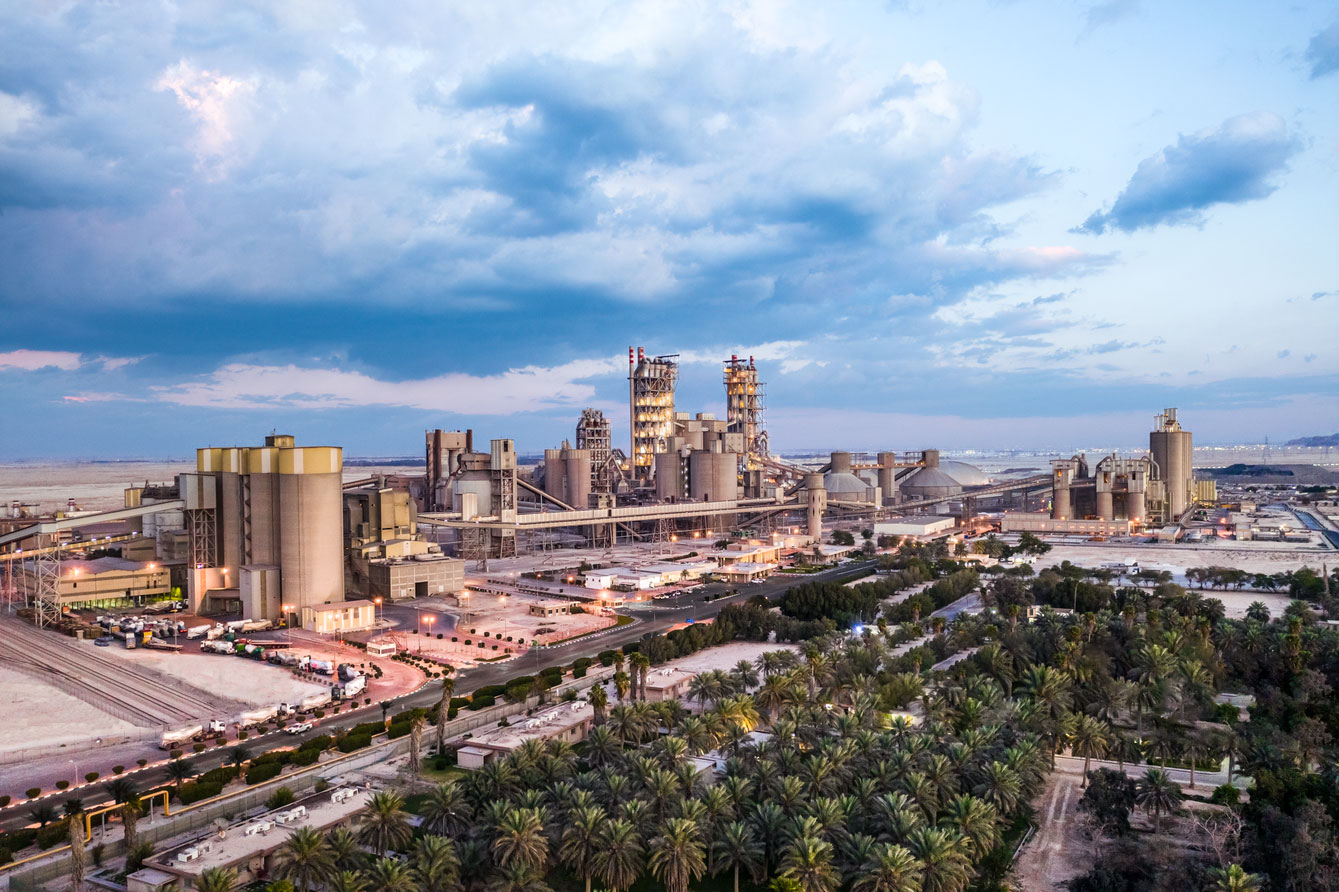
Saudi Cement Company

Saudi Cement Company

Seven Decades of Leadership, Calibrated for a Low-Carbon Future

Quality and Operational Excellence: A Multi-Standard Commitment

SCC maintains ISO 9001:2015 for quality management, ISO 14001:2015 for environmental management, ISO 45001:2018 for occupational health and safety, and ISO 50001:2018 for energy management. It also maintains SASO quality marks for all products and European CE certification, which strengthens its ability to compete in regional export markets.

This breadth of certification reflects an institutional commitment to management system discipline that creates the accountability infrastructure required for sustained performance improvement. The ISO 50001 energy management certification from TÜV Rheinland is particularly significant in the context of the SEEC framework: it means that the energy management processes behind the SEEC performance data are themselves subject to independent third-party audit, adding a further layer of credibility to the reported energy efficiency metrics.
The company’s environmental compliance program maintains NCEC certifications for the Hofuf Plant, quarries, and Port Terminal, with continuous emission monitoring and periodic third-party measurements. A sewage water treatment plant enables water reuse within plant operations. The waste management system complies with National Center for Waste Management requirements, including active recycling programs. Tree plantation initiatives support the national green cover program.

Saudization reached 63.69 percent of total workforce by end of 2025, with Saudi nationals representing 59.20 percent of new hires during the year. The company operates a Thrift Savings Program for employees in place since 1993, reflecting a long-term commitment to workforce welfare that extends well beyond the current sustainability agenda.

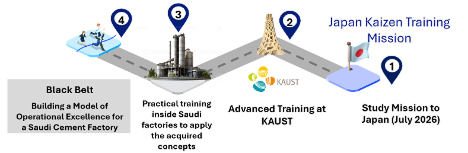
Kaizen Study Mission – Japan

Travel Itinerary

📅 Day 1

Arrival & Welcome – Nagoya
  • Arrival at Nagoya (Chubu) International Airport.
  • Group pick-up and transport to hotel.
  • Hotel check-in from 15:00.
  • Evening at leisure / rest.

📅 Day 2

TPS Dojo – (Nagoya area)

• AM: TPS Dojo training – basics of TPS.
• PM: Hands-on exercises – waste detection, flow, standard work, 5S, safety.
• 18:00: Return to Hotel.

📅 Day 3

Factory Visits – DKS & Avex (Mie area)
  • AM: Visit to DKS Co. Ltd – Yokkaichi Plant.
  • Lunch Break.
  • PM: Visit to Avex Inc. – Tado Plant (Toyota supplier).
  • 18:00: Return to Hotel (Nagoya area).

📅 Day 4

Cement & Concerte Value Chain – Mie & Aichi
  • AM: Visit to Taiheiyo Cement – Mie Prefecture plant.
  • Lunch Break / Transfer to Aichi.
  • PM: Visit to Ready-mix Concrete Company – Aichi Prefecture.
  • Evening: Return to Hotel (Nagoya area).

📅 Day 5

Toyota Way, Genba Visit & Action Planning – Nagoya area
  • AM: Visit to Toyota Technology Museum – origins of TPS.
  • PM: Genba visit – construction site or housing project (Nagoya / Aichi area).
  • Late PM: Reflection & action-planning workshop.
  • 18:00: Return to Hotel.

📅 Day 6

Transfer to Tokyo & Japan Culture Day
  • AM: Check-out Nagoya hotel & transfer to Tokyo (Shinkansen).
  • Late AM–PM: Japan culture experience in Tokyo (example combination).
  • Asakusa & Senso-ji area (traditional downtown, temple, shopping street).
  • Meiji Jingu / Harajuku or Shibuya area (contrast of tradition & modern city).
  • Evening: Free time in Tokyo or group dinner.
  • Overnight in Tokyo.

📅 Day 7

Departure from Tokyo
  • Hotel check-out.
  • Transfer to Tokyo airport (Haneda / Narita) and departure.

Cement plants visits are subject to change upon confirmation.

Al Jouf Cement Company

Al Jouf Cement Company

Scientific Innovation, Renewable Energy, and a NEOM Stamp of Approval

The Science of Green Cement

How Pozzolana Replaces Clinker

Understanding why AJCC’s green cement program is technically significant requires understanding the chemistry it is built on. Clinker production is the most carbon-intensive stage of cement manufacturing, because the calcination of limestone at temperatures exceeding 1,400 degrees Celsius releases CO2 as an unavoidable process emission, regardless of the fuel used to generate the heat. Every ton of clinker replaced by a supplementary cementitious material eliminates the corresponding process emissions entirely, not merely reduces them.

Natural pozzolana is a siliceous or siliceous-aluminous volcanic material that reacts chemically with calcium hydroxide, the by-product of Portland cement hydration, to form additional calcium silicate hydrate (C-S-H). This secondary pozzolanic reaction does not generate heat, which reduces the heat of hydration in large concrete pours. It densifies the cement paste microstructure, reducing permeability and improving resistance to sulfate attack, chloride ingress, and alkali-silica reaction. The concrete produced from pozzolanic cement performs better over its full service life than OPC concrete in aggressive environments, making it not just more sustainable but technically superior for demanding applications.

AJCC’s local black pozzolana achieves a combined SiO2 plus Al2O3 plus Fe2O3 content of 71.93 percent, above the minimum 70 percent threshold specified by international standards. Its fineness at 45 micrometers is 1.8 percent, far below the 34 percent maximum. The Strength Activity Index, the standard measure of pozzolanic reactivity, reaches 92.9 at 7 days and 93.2 at 28 days against a minimum requirement of 75 at both ages. Water requirement is 102 percent against a maximum of 115 percent. These are not marginal compliance figures. They represent a high-reactivity pozzolana that performs at the upper end of what is available commercially anywhere in the world.

Green Cement

CEM II/B-P 42.5R at 30 Percent Clinker Replacement

AJCC’s Green Cement is classified as CEM II/B-P 42.5R under European standard EN 197-1 and Type IP-30 under ASTM C595, with a pozzolana substitution rate of approximately 30 percent in both the Green Cement and Super-20 product lines. The 42.5R designation is significant because the R indicates rapid early strength: the cement achieves 2-day compressive strength of approximately 27 MPa, exceeding the international standard minimum of 20 MPa by a meaningful margin.

This early strength performance at 30 percent clinker replacement is not automatic. It requires careful engineering of three interdependent variables. First, AJCC uses high-reactivity OPC clinker specifically selected to compensate for the dilution effect of the pozzolana substitution, ensuring that the initial hydration reaction produces sufficient calcium hydroxide to drive the pozzolanic reaction at the rate required for early strength development. Second, advanced grinding technology controls the fineness of both the clinker and pozzolana components to optimize particle size distribution and surface area for reaction kinetics. Third, the mix design balances the blending ratios in real time using the QCX automated quality control system in the production laboratory.

The carbon performance of the product has been quantified through a full Life Cycle Assessment (LCA) and certified by an independently verified Environmental Product Declaration (EPD). The EPD data shows that AJCC OPC emits 907 kg CO2 equivalent per ton of cement, while Green Cement emits 680 kg CO2 equivalent per ton, a reduction of 25 percent. At the clinker level, the reduction achieves approximately 0.30 tons of CO2 per ton of clinker replaced, consistent with global industry benchmarks for natural pozzolana substitution. AJCC has obtained EPD certifications for multiple products including OPC and Super-20 Cement, registered through the SCS Global Services international platform.

NEOM Approval

The Ultimate Market Validation

The commercial validation of AJCC’s Green Cement program came in a form that carries more weight than any certification or award: approval for use in the NEOM megaproject, including The Line, confirmed through AJCC’s collaboration with Almohelib Group (Asas Al-Muhailb Company). NEOM applies some of the most stringent quality, sustainability, and technical performance requirements for construction materials of any project currently under development anywhere in the world. Approval for use in that project confirms that AJCC’s green cement meets international performance standards at commercial scale.

The path to NEOM approval was not a procurement shortcut. It began with intensive R&D at AJCC’s laboratory, responding to a specific technical brief from the contractor. The team developed the target product formulation, validated the chemistry, conducted concrete mix design trials meeting the project’s specific structural and durability requirements, and submitted the full technical dossier for approval. The process demonstrates the depth of technical capability that AJCC has built around its pozzolana-based product line, and the confidence with which that capability can be deployed in response to demanding customer requirements.

The 22 MWp Solar Partnership with ENGIE

Decarbonizing the Energy Side

Green cement addresses the process emissions side of AJCC’s carbon footprint. The recently signed 25-year Power Purchase Agreement with ENGIE for a 22 MWp solar photovoltaic plant addresses the Scope 2 electrical emissions side. The project was announced at a ceremony at the Turaif plant attended by HH Prince Faisal Bin Sultan Al Saud, Prince of the Northern Borders region, reflecting the national significance of the investment.

The solar installation spans over 420,000 square meters at the Turaif facility, providing on-site power generation designed specifically for the cement plant’s load profile and operating pattern. ENGIE manages all aspects of design, construction, ownership, operation, and maintenance under a fully integrated PPA structure, meaning AJCC purchases the electricity output at a fixed rate over the full 25-year term without capital outlay for the system itself. This structure transfers technology and performance risk to ENGIE while giving AJCC predictable long-term energy cost certainty and immediate access to clean power.

The lifetime CO2 reduction attributable to the solar project is estimated at 1,481,100 tons over the 25-year contract period, averaging approximately 59,244 tons per year. Combined with the clinker substitution reductions from the Green Cement program, the solar partnership represents a material and permanent shift in AJCC’s total carbon profile. It is worth noting that AJCC’s location in the Northern Borders Province, one of the highest solar irradiation regions in Saudi Arabia, makes photovoltaic generation particularly favorable in terms of capacity factor and annual energy yield.

Digital Transformation

A Clear Baseline and a Defined Roadmap

The SIRI assessment conducted in March 2023 places AJCC at a different point in its digital transformation journey than several other companies in this series. The assessment produced 0 dimensions in the bottom performers range, 10 in the broad middle range, and 6 at Best-in-Class level globally. Three connectivity dimensions, Shop Floor, Enterprise, and Facility, scored best-in-class at Band 4 or Band 5, reflecting the quality of the Siemens PCS 7 DCS infrastructure and the SAP enterprise system implementation. Shop Floor Automation achieved Band 4 (Flexible), consistent with a fully DCS-controlled production process. Inter- and Intra-Company Collaboration achieved Band 4 (Collaborating), reflecting the cross-functional team structures and project management capability the company has built.

The dimensions identified as highest-priority for transformation investment are Vertical Integration, Horizontal Integration, Enterprise Intelligence, and Strategy and Governance. These priorities translate into a specific development agenda: automating the connection between SAP production planning and the DCS shop floor layer, moving from manual Excel-based materials requirement planning to SAP MRP-driven procurement, deploying online real-time dashboards for enterprise process performance rather than post-hoc Excel-exported reports, and building the formal Industry 4.0 transformation roadmap that Strategy and Governance at Band 1 indicates is still in its early stages.

The assessor’s comment is precise: the DCS controls 90 percent of shopfloor equipment and 75 percent of utilities using scalable, platform-independent protocols including OPC UA and ODBC, creating strong connectivity infrastructure that is ready to support the next level of integration. The SAP FICO, PP, MM, PM, SD, QM, and HCM modules are implemented and operating, with real-time data access from operator terminals and mobile applications. The foundation is solid. The development priority is building the intelligence and integration layers on top of it, specifically the MES-level integration connecting OT data to enterprise planning and the enterprise analytics capability that turns that integrated data into operational decisions.

The tactical planning horizon selected for the assessment reflects a company that is building the fundamentals before committing to a long-range digital roadmap, which is the right sequencing. A company that has not yet completed vertical integration should not be optimizing supply chain digital twins. AJCC’s approach of establishing a clear baseline, identifying the highest-value next steps, and building systematically is the correct model for this stage of transformation.

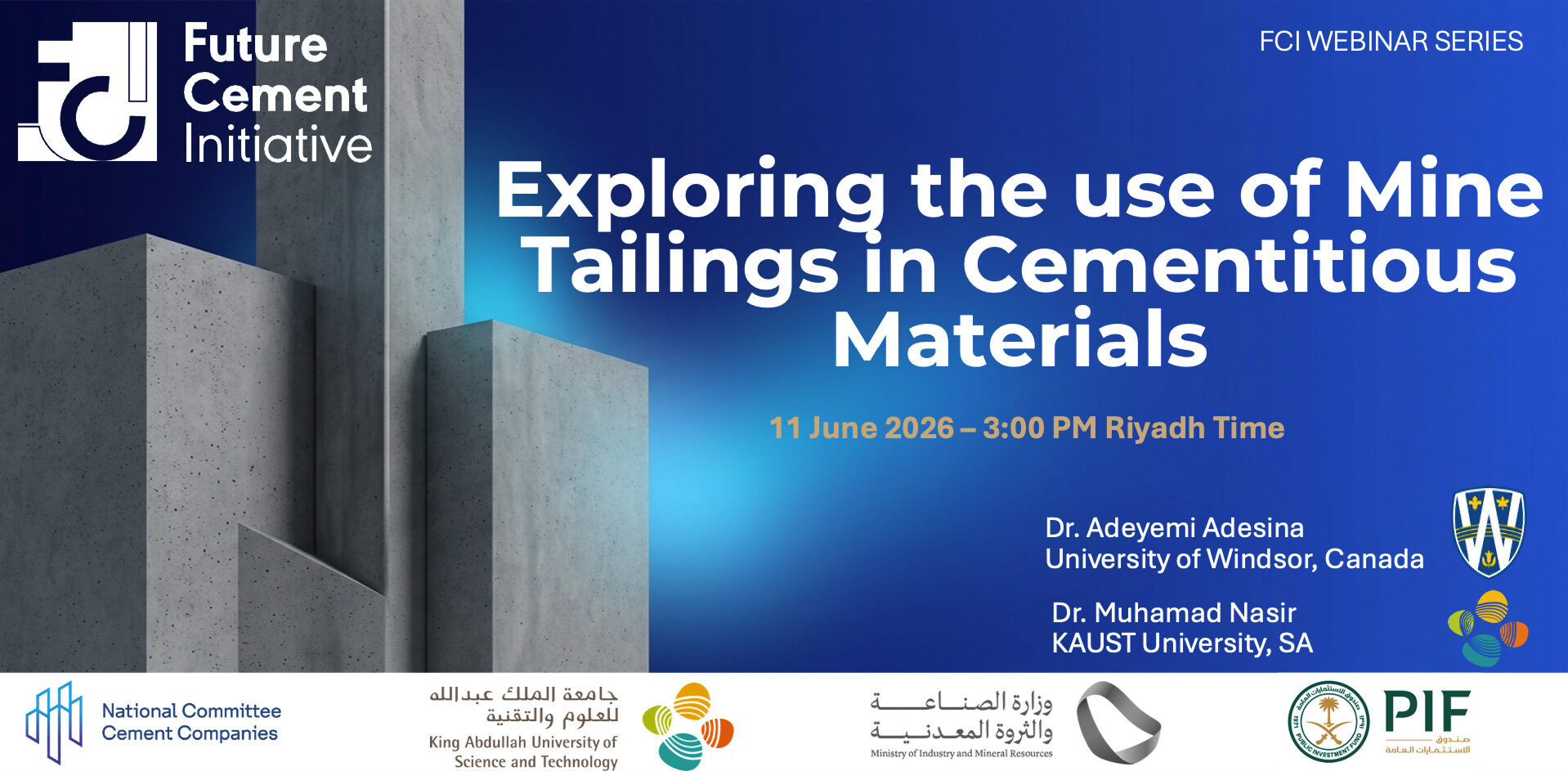
Exploring the use of Mine Tailings in Cementitious Materials

Abstract

This Webinar examines the use of mine tailings as a practical material for low-carbon cementitious systems, with a focus on their potential application in Saudi Arabia. With growing mining activity across the Kingdom, large volumes of tailings are being generated, creating both a disposal challenge and an opportunity to utilize these materials in construction. This presentation includes selected experimental results showing how mine tailings can be used as partial replacements for binder and aggregates. The discussion will focus on how basic material characteristics such as particle size, mineral composition, and reactivity influence workability, strength, and transport behaviour. Results indicate that, with appropriate processing and mixture design, tailings can achieve performance suitable for structural and non-structural applications. Attention is given to conditions specific to Saudi Arabia, including high temperatures, dry environments, and exposure to aggressive conditions. This talk will outline how tailings available within the Kingdom can be adapted to these conditions while reducing reliance on imported materials. The overall aim is to show a realistic pathway for integrating mine tailings into construction practices in Saudi Arabia in a way that aligns with ongoing sustainability and infrastructure development efforts.

Yanbu Cement Company

Yanbu Cement Company

An Industrial Lighthouse in the Making

Recognized as a Future Factories Leader

In January 2023, Yanbu Cement launched an ambitious strategy structured around four pillars: institutional maturity, business excellence, sustainability and growth, and business diversification with enhanced governance. That strategy has already produced measurable recognition. The company achieved second place nationally in the Ministry of Industry and Mineral Resources’ Future Factories Program, evaluated under the SIRI framework by INCIT. It was subsequently nominated among the top 20 qualified companies to become a global industrial lighthouse, recognized by the World Economic Forum as among the world’s most advanced manufacturing facilities in Industry 4.0 adoption.

The company also received the Governance Indicators Improvement Award for the third consecutive year at the International Corporate Governance Conference in Riyadh in December 2024, evaluated by the Corporate Governance Center at Al Faisal University. These two recognitions, for digital maturity and governance quality, are not separate stories. They reflect a single integrated transformation that has embedded performance, transparency, and accountability simultaneously across the organization.

Al Safwa Cement Company

Alsafwa Cement Company

The Kingdom’s Circular Economy Pioneer in Heavy Industry

The Yanbu Industrial Waste Management Facility

The coprocessing platform is being extended to a new geographic dimension through the Yanbu Industrial Waste Management Facility, currently in development under a 30-year contract with the Royal Commission for Jubail and Yanbu. This facility will treat industrial solid, semi-solid, and liquid waste including industrial wastewater and sludge from the heavy industries, refineries, petrochemical plants, and electricity generation facilities in the Yanbu industrial complex, converting them into alternative fuels for cement kiln use. Phase 1 focuses on waste oils and oily sludge. Project completion is expected by the end of 2027.

The Yanbu facility represents a significant scaling of the industrial symbiosis model. Yanbu Industrial City is one of the Kingdom’s most concentrated heavy industrial zones, generating industrial waste streams that have historically required costly treatment and disposal. A 30-year contract to manage and process those streams creates a durable revenue base for Alsafwa’s alternative fuel operations while delivering a long-term environmental service to the industrial ecosystem of the entire region.

Solar Power and the Energy Transition Roadmap

Alsafwa is also advancing a solar power project at its plant, targeting a capacity that will support up to 50 percent of the plant’s required electrical power during daylight hours. The project is expected to be completed by the end of 2027, aligned with the broader Yanbu industrial waste facility timeline. The plant’s location in the western region, with its high solar irradiation and low cloud cover, makes photovoltaic generation particularly well-suited as a primary renewable energy source. Once operational, the solar installation will directly reduce the Scope 2 emissions associated with grid electricity consumption and lower the per-ton energy cost across the production cycle.

The combination of the solar project, the natural gas and alternative fuel coprocessing programs, and the carbon capture pilot constitutes a multi-vector energy transition strategy that addresses the full emissions profile of the plant: Scope 1 thermal emissions through fuel switching and carbon capture, Scope 2 electrical emissions through solar generation, and embedded carbon in raw materials through alternative input substitution.

Umm Al Qura Cement Company

Umm Al Qura Cement Company

Precision, Efficiency, and a Clear Transition Roadmap from the Makkah Region

Clinker Factor Reduction

The Carbon Story Behind the Numbers

Clinker production is the primary source of CO2 in cement manufacturing, accounting for both the fuel-related emissions from kiln heating and the process emissions from limestone calcination. Every percentage point of clinker replaced by supplementary cementitious materials in the final cement product reduces both the energy demand and the CO2 intensity of that product proportionally. This makes the clinker factor the single most important variable in the decarbonization equation for any cement producer.

UACC has been systematically reducing its clinker factor across its product range through continuous process optimization and raw material utilization improvements. The progress is documented over multiple years, with a specific product in the portfolio achieving a clinker factor as low as 74 percent. That figure is among the most aggressive clinker substitution levels being achieved at commercial scale in the Saudi market and reflects genuine product and process engineering capability, since maintaining cement quality and SASO compliance at high substitution rates requires tight control of SCM chemistry, grinding parameters, and quality testing protocols.

The average clinker factor across the full product mix has also declined steadily, with the 2025 reduction representing a meaningful step in material efficiency and a direct contribution to lower carbon intensity per ton of cement produced. UACC produces Ordinary Portland Cement, Portland Pozzolana Cement, Sulphate-Resistant Cement, and Portland Limestone Cement, giving the company a product range that covers both standard and specialized construction applications while offering customers a choice of carbon intensity profiles.

The 2023 SIRI assessment identified clinker factor reduction and SCM utilization as directly connected to the company’s strategic priority of environmental and green plant development. The strategic plans underway at the time of the assessment explicitly identified green initiatives as a priority direction for investment and process development, and the 2025 performance data confirms that those priorities have been translated into measurable results.

Najran Cement Company

Najran Cement Company

First-Mover Thinking and Integrated Innovation in Saudi Arabia’s Najran Region

Blended Cement Since 2012

A Decade of Green Product Leadership

While much of the Saudi cement sector has been discovering blended cement and SCM substitution as a sustainability imperative in recent years, NCC has been doing it since 2012. For more than a decade, the company has systematically substituted clinker with supplementary cementitious materials, specifically limestone and natural pozzolana, across substitution rates ranging from 10 to 30 percent depending on the product type.

The product range built on this platform includes Lyasa Cement, Pozzolanic Portland Cement (PPC), Lyasa Plus Cement, and Turbo Cement. Each product in this portfolio delivers a measurable reduction in carbon footprint relative to OPC, because every percentage point of clinker replaced by SCMs eliminates the process CO2 that would have been generated during clinker production. At the higher end of the substitution range, this represents a clinker factor of 70 percent, which is among the more aggressive substitution positions being achieved commercially in the Saudi market.

The significance of NCC’s twelve-year commitment to blended cement production is not just the environmental benefit, though that benefit is real and accumulating. It is the operational and quality management learning that a decade of blended cement production generates. Consistent quality across a product range with 10 to 30 percent SCM substitution requires precise raw material characterization, careful mix design, rigorous testing, and mature process control. NCC has that expertise embedded in its quality and production systems in a way that cannot be replicated quickly by producers who are only now beginning their blended cement journey.

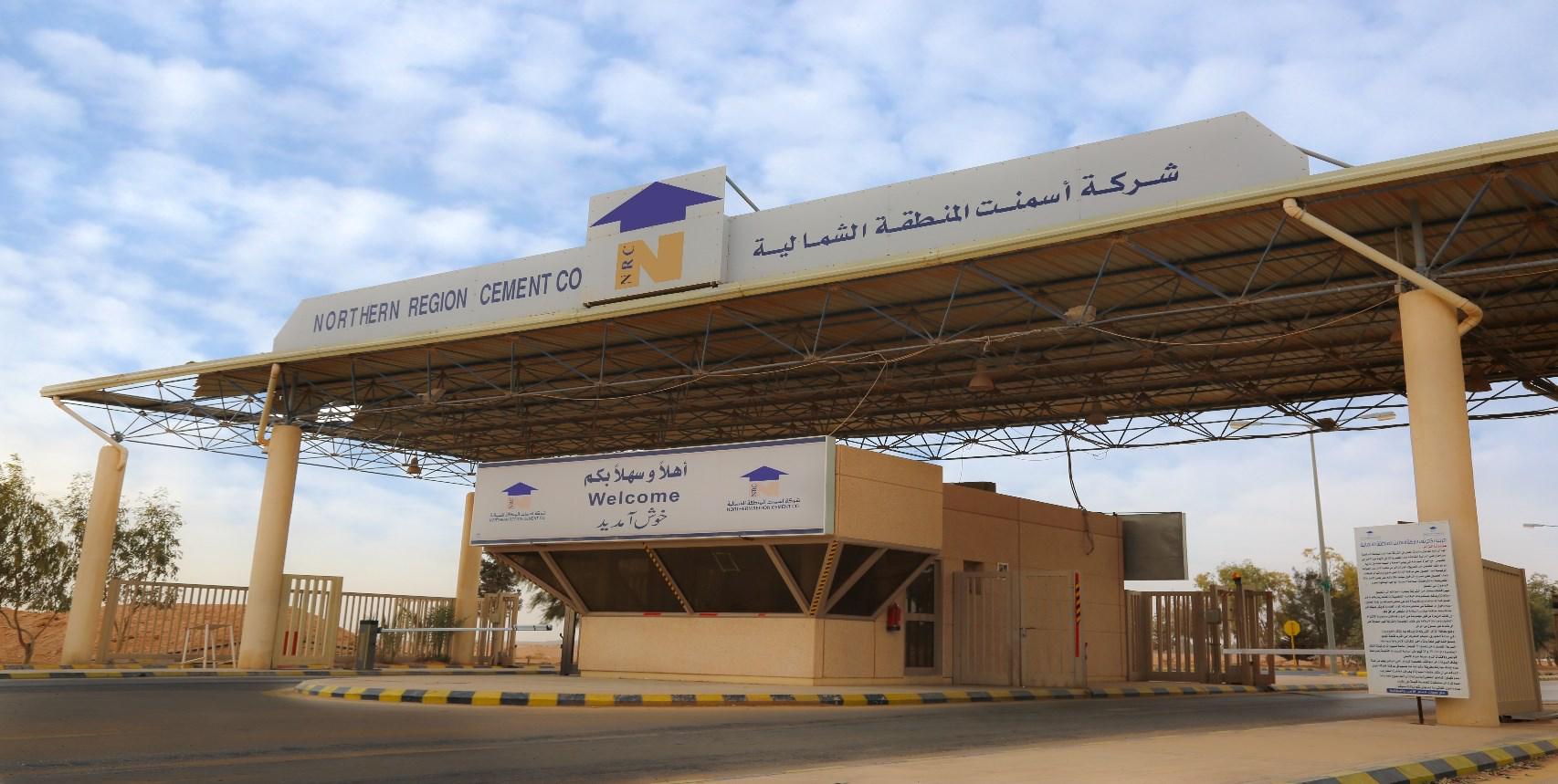
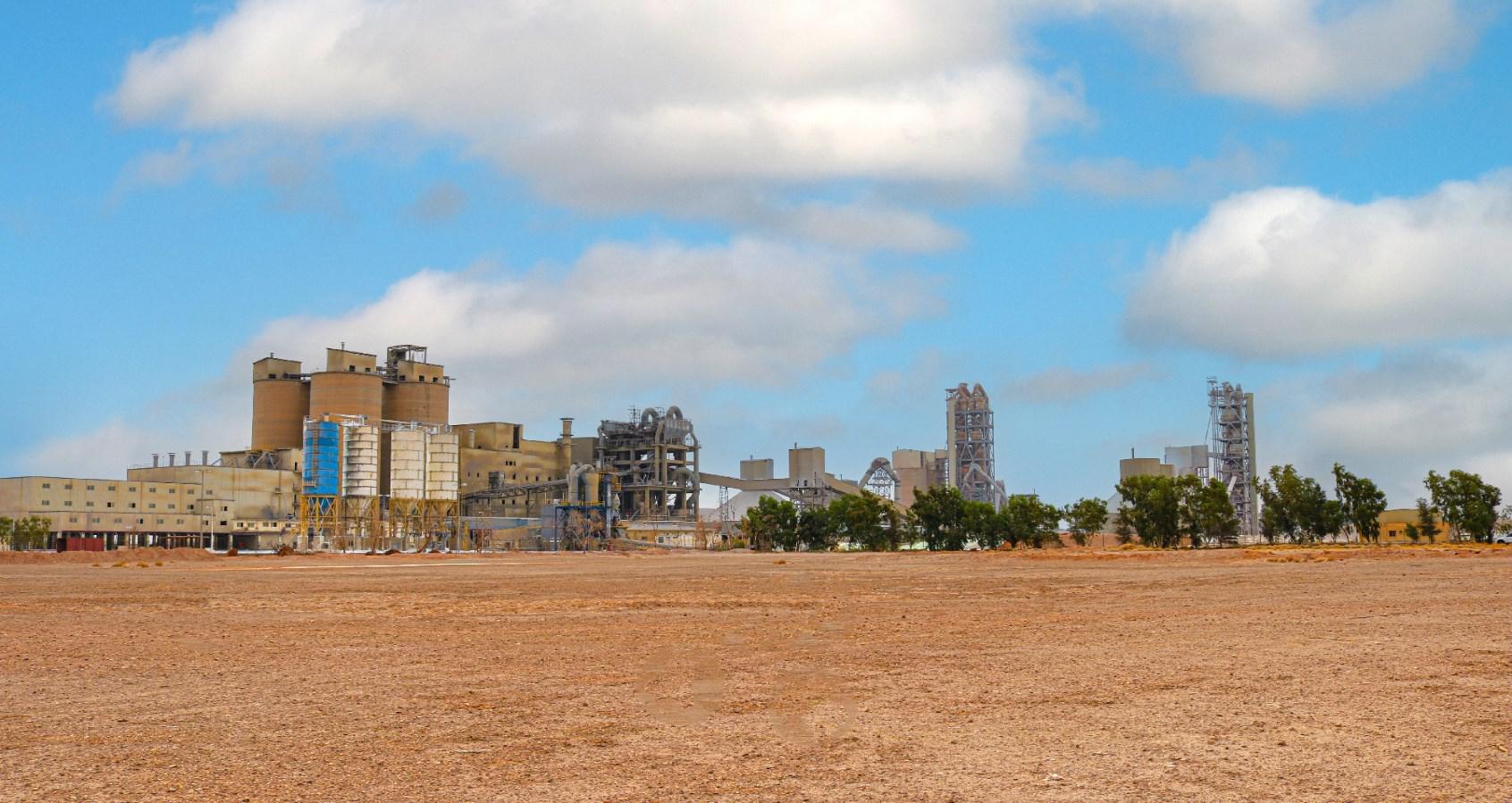
Northern Region Cement Company

Northern Region Cement Company

Innovation, Green Products, and Digital Intelligence from Saudi Arabia’s North

Green Product Innovation: Three Pathways to Lower Carbon

The most technically substantive dimension of NRC’s sustainability agenda is its development of multiple low-carbon cement product lines, each targeting a different substitution chemistry and end-use application. This product diversification strategy is significant because different construction applications have different performance requirements, and a company that can offer verified low-carbon options across a range of technical specifications has a broader commercial opportunity than one that offers a single green product.

The first pathway is Pozzolanic Portland Cement (PPC), where NRC incorporates natural pozzolanic materials as a partial clinker substitute at substitution rates reaching 35 percent. PPC is characterized by low permeability, high durability, and resistance to sulfates and chlorides, making it the preferred specification for foundations, sewage storage tanks, and marine and saltwater applications. It produces high-durability, long-life concrete while generating meaningfully lower CO2 intensity than OPC, and it carries Saudi quality certification. From an environmental perspective, using one ton of pozzolan as a clinker substitute reduces approximately 350 kilograms of CO2 per ton of cement produced while simultaneously improving concrete performance in aggressive environments.

The second pathway is LC3 cement (Limestone Calcined Clay Cement), where a mixture of calcined clay and limestone is used as a partial clinker substitute with substitution rates reaching 50 percent. LC3 targets a CO2 reduction of up to 40 percent compared to conventional Portland cement, placing it among the most aggressive decarbonization technologies currently available in the sector. NRC’s LC3 product meets the performance requirements of Cem II/B LL 32.5 N standard, with compressive strength and durability comparable to or better than conventional equivalent products. The ability to offer LC3 at commercial scale reflects genuine process and quality management capability, since the consistency of calcined clay chemistry requires precise control of raw material sourcing and processing conditions.

The third pathway is white limestone cement (Cem II/B LL 35.5), which uses limestone as a partial clinker substitute at rates reaching 35 percent. The bright white color of this product makes it ideal for finishing, decorative, and aesthetic applications where appearance is a primary specification requirement. It combines high quality, strength, and stability with an eco-friendly and economical production profile, targeting a segment of the construction market that has historically had very limited access to lower-carbon options.

Reinforcing these product innovations is a proprietary technology achievement: NRC holds Patent SA10181, awarded by the Saudi Authority for Intellectual Property in June 2022, for the conversion of the white cement production line from black to white cement. This patent reflects NRC’s technical depth in white cement manufacturing, specifically the engineering of a production line capable of switching between black and white clinker production, which requires precise chemistry control, specialized kiln management, and advanced quality monitoring to achieve the whiteness index required for certified white cement products.

Process Engineering: Kiln Jacket Heat Recovery

One of the more creative process engineering innovations documented in NRC’s success stories is the Kiln Jacket Heat Recovery system. The concept involves drawing hot air from the kiln jacket, the space between the kiln shell and the outer casing in the combustion zone, where temperatures in normal operation reach 135 degrees Celsius during white clinker production. This captured thermal energy, which would otherwise be dissipated as waste heat, is redirected as pre-heated combustion air into the kiln firing system.

The practical impact is measurable. By using hot air at 135 degrees Celsius rather than ambient combustion air at approximately 40 degrees Celsius, the kiln requires less heavy fuel oil (HFO) to reach and maintain the combustion temperatures required for clinker formation. The calculated saving based on the thermal energy provided per operating day translates to approximately 186 grams of HFO per kilowatt-hour of equivalent thermal energy, reducing both fuel cost and the CO2 and NOx emissions associated with HFO combustion. For a white cement kiln operating continuously, this is a meaningful improvement in both the economic and environmental profile of production.

The innovation demonstrates an important principle: in cement manufacturing, significant efficiency and emissions improvements are often available through intelligent engineering of existing equipment rather than wholesale replacement of production lines. NRC’s kiln jacket heat recovery is exactly this kind of solution, engineering a productive use out of an energy stream that was previously lost.

Digital Transformation

SAP, SIMATIC, and Remote Monitoring

NRC’s digital transformation program is structured around three interconnected layers: enterprise resource planning, industrial automation, and remote equipment monitoring, each addressing a distinct dimension of the production management challenge.

At the enterprise layer, NRC has implemented SAP cloud solutions including SAP Ariba for procurement and supply chain management. The SAP Ariba deployment automates the full procure-to-pay cycle, from purchase requisitions through to payment, connecting the company digitally with suppliers through the SAP Business Network. The specific capabilities deployed include automated sourcing with AI-assisted supplier identification and evaluation, contract management with electronic approval workflows, and full spend transparency from purchase order to payment confirmation. The implementation includes direct bank integration, enabling automated payment processing and reducing manual financial reconciliation work. This procurement digitization reduces costs through better spend visibility, improves supplier risk management through structured contract governance, and provides the data foundation required for local content tracking and reporting.

At the industrial automation layer, NRC has deployed Siemens SIMATIC TIA Portal, a globally leading industrial automation platform that provides integrated control of production equipment through programmable logic controllers (PLCs), advanced HMI screens for process monitoring, and real-time transmission of monitored data including pressure, temperature, gas flows, and emissions rates at high speed. This system provides the operational technology backbone for intelligent kiln and mill management, enabling faster process corrections and supporting the measurement and verification requirements of the SEEC energy efficiency framework.

At the equipment monitoring layer, NRC has built a remote monitoring system covering all production equipment at the plant, providing responsible personnel with real-time visibility into machine status, shutdown events, the causes of those shutdowns, and automatic alerts when monitored parameters deviate from pre-defined normal ranges. This system enables the predictive maintenance strategies that reduce unplanned downtime, extend equipment life, and improve production continuity. When combined with the Spectra Flow analytics system, which provides real-time chemical analysis of incoming raw materials and automatic adjustment of raw mix proportions to maintain target LSF, SM, and AM chemistry parameters at the mill outlet, the monitoring infrastructure creates a closed-loop quality control system that reduces kiln stoppages, improves clinker consistency, and raises cement quality simultaneously.

Renewable Energy

The 20 MW Solar Commitment

NRC awarded an SAR 32.63 million (USD 8.7 million) Engineering, Procurement, and Construction contract to Sinoma for the development of a 20 megawatt solar photovoltaic power plant at its facility. Sinoma’s scope covers full engineering, procurement, delivery, installation, civil works, trial operation, and commissioning.

A 20 MW solar plant at an industrial facility of NRC’s scale represents a material contribution to its Scope 2 emissions reduction agenda. The northern region of Saudi Arabia receives strong solar irradiation throughout the year, making photovoltaic generation particularly well-suited to the location. The clean electricity generated will directly offset grid electricity consumption at the plant, reducing the CO2 intensity of the electrical energy input to production and lowering operating costs per ton of cement. Combined with the thermal efficiency improvements from the Kiln Jacket Heat Recovery system and the process optimization enabled by the SIMATIC and Spectra Flow systems, the solar investment contributes to a structurally lower energy cost and emissions profile.

What This Means for the Sector

From FCI’s perspective, NRC’s sustainability story has a specific characteristic that makes it particularly valuable as a sector reference: the breadth of simultaneous innovation across product design, process engineering, digital systems, and renewable energy. Most companies in the sector lead with one or two of these dimensions. NRC is working on all four together, which means the interactions between them are being explored in practice rather than in theory.

The patent for white-to-black clinker line conversion, the LC3 product development, the kiln jacket heat recovery, the SAP Ariba and SIMATIC deployments, and the solar investment are not isolated initiatives. They are components of a coherent industrial strategy that treats NRC’s northern location, its dual grey and white cement production capability, and its digital infrastructure as complementary assets in a sustainable, competitive operating model.

The SEEC compliance record confirms that the strategy is delivering measurable energy efficiency results today. The investments under execution confirm that the trajectory points toward deeper improvement in the cycles ahead.