
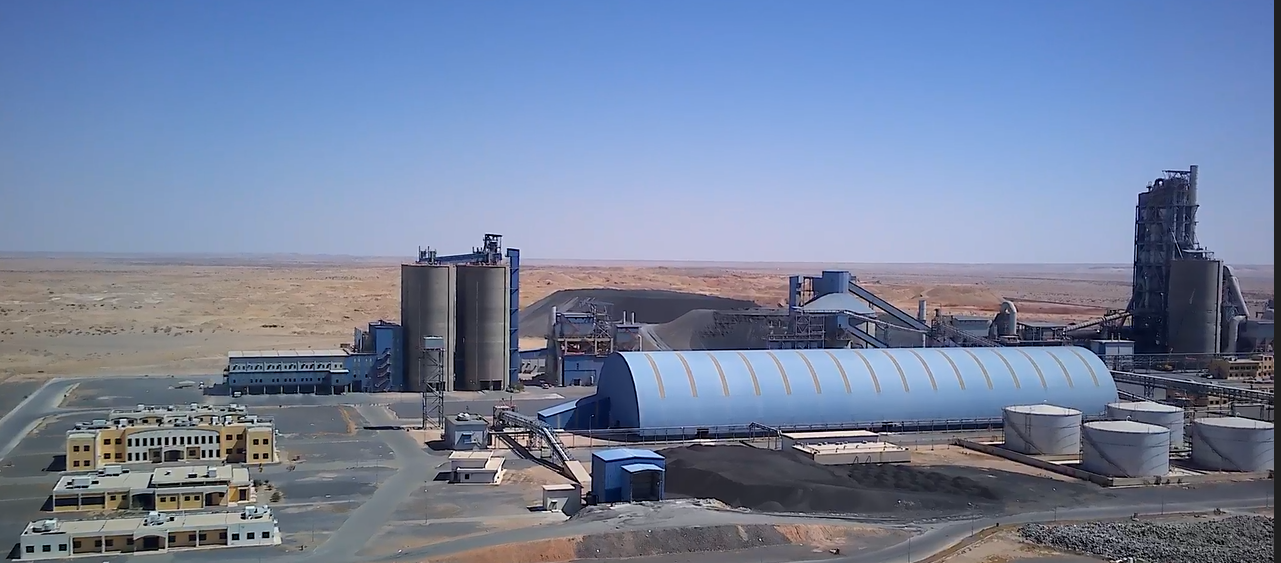

Clinker production is the primary source of CO2 in cement manufacturing, accounting for both the fuel-related emissions from kiln heating and the process emissions from limestone calcination. Every percentage point of clinker replaced by supplementary cementitious materials in the final cement product reduces both the energy demand and the CO2 intensity of that product proportionally. This makes the clinker factor the single most important variable in the decarbonization equation for any cement producer.
UACC has been systematically reducing its clinker factor across its product range through continuous process optimization and raw material utilization improvements. The progress is documented over multiple years, with a specific product in the portfolio achieving a clinker factor as low as 74 percent. That figure is among the most aggressive clinker substitution levels being achieved at commercial scale in the Saudi market and reflects genuine product and process engineering capability, since maintaining cement quality and SASO compliance at high substitution rates requires tight control of SCM chemistry, grinding parameters, and quality testing protocols.
The average clinker factor across the full product mix has also declined steadily, with the 2025 reduction representing a meaningful step in material efficiency and a direct contribution to lower carbon intensity per ton of cement produced. UACC produces Ordinary Portland Cement, Portland Pozzolana Cement, Sulphate-Resistant Cement, and Portland Limestone Cement, giving the company a product range that covers both standard and specialized construction applications while offering customers a choice of carbon intensity profiles.
The 2023 SIRI assessment identified clinker factor reduction and SCM utilization as directly connected to the company’s strategic priority of environmental and green plant development. The strategic plans underway at the time of the assessment explicitly identified green initiatives as a priority direction for investment and process development, and the 2025 performance data confirms that those priorities have been translated into measurable results.