
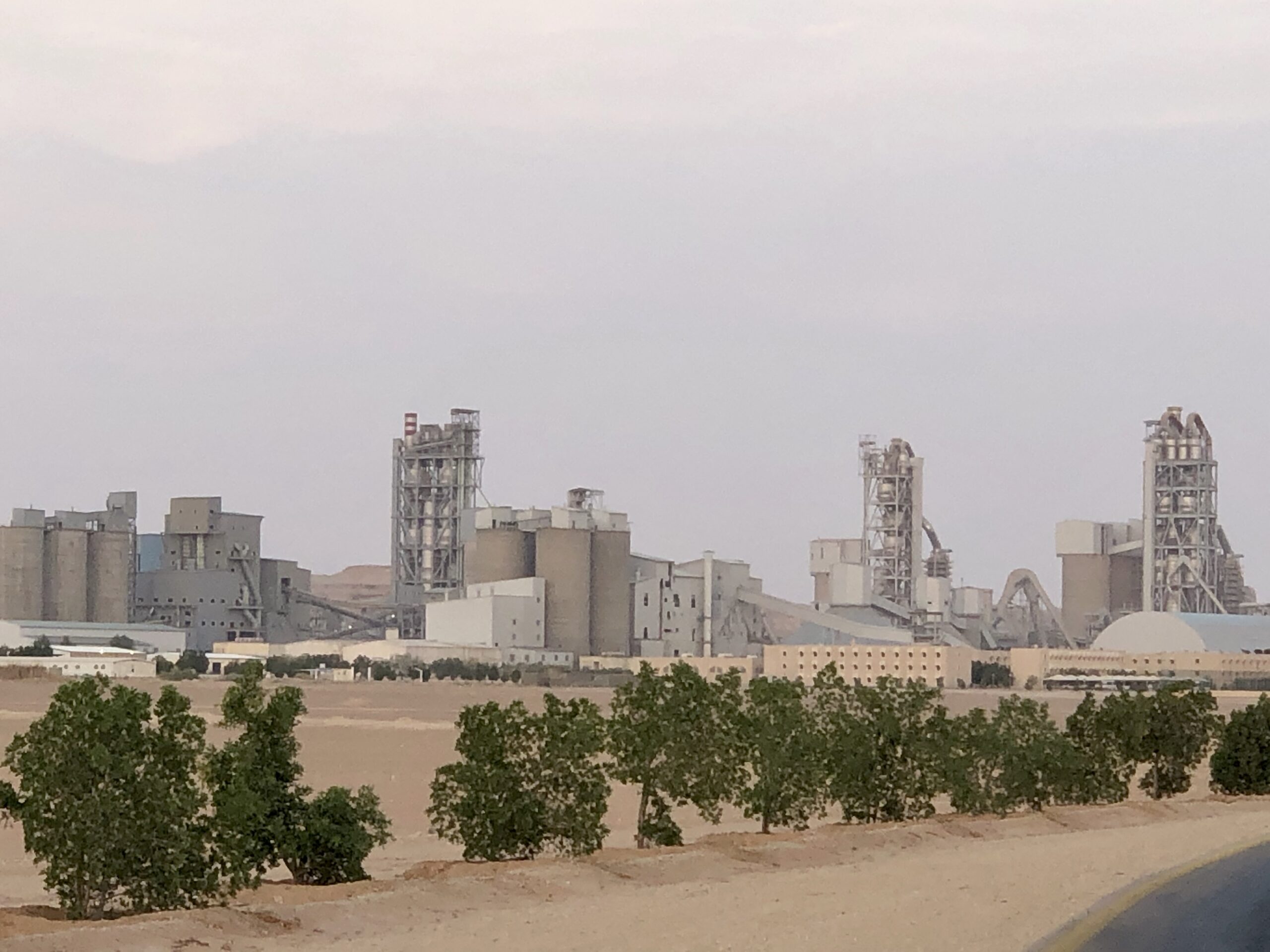

While much of the Saudi cement sector has been discovering blended cement and SCM substitution as a sustainability imperative in recent years, NCC has been doing it since 2012. For more than a decade, the company has systematically substituted clinker with supplementary cementitious materials, specifically limestone and natural pozzolana, across substitution rates ranging from 10 to 30 percent depending on the product type.
The product range built on this platform includes Lyasa Cement, Pozzolanic Portland Cement (PPC), Lyasa Plus Cement, and Turbo Cement. Each product in this portfolio delivers a measurable reduction in carbon footprint relative to OPC, because every percentage point of clinker replaced by SCMs eliminates the process CO2 that would have been generated during clinker production. At the higher end of the substitution range, this represents a clinker factor of 70 percent, which is among the more aggressive substitution positions being achieved commercially in the Saudi market.
The significance of NCC’s twelve-year commitment to blended cement production is not just the environmental benefit, though that benefit is real and accumulating. It is the operational and quality management learning that a decade of blended cement production generates. Consistent quality across a product range with 10 to 30 percent SCM substitution requires precise raw material characterization, careful mix design, rigorous testing, and mature process control. NCC has that expertise embedded in its quality and production systems in a way that cannot be replicated quickly by producers who are only now beginning their blended cement journey.