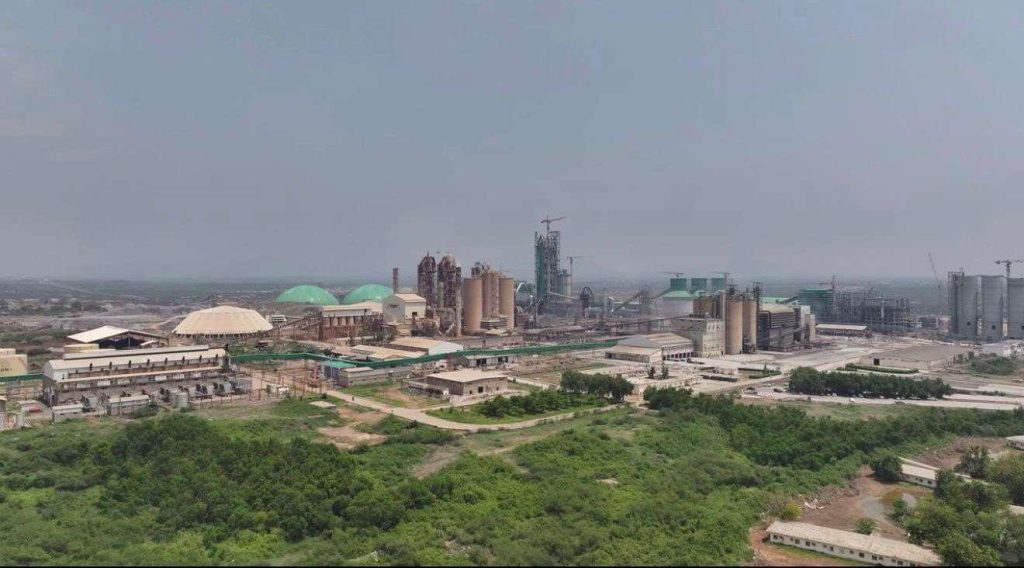
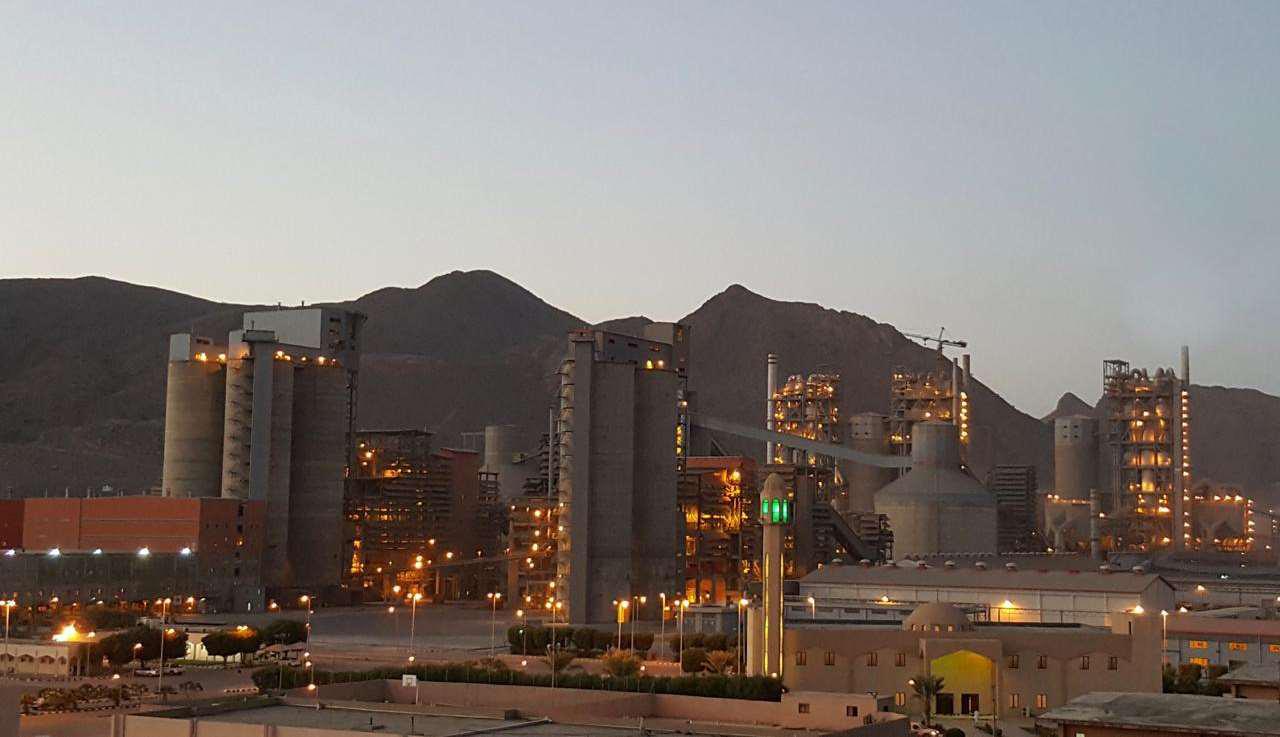
SPCC’s approach to carbon reduction addresses the problem at both the product and process levels, which is the right sequencing for a company at this stage of transition.
On the product side, the company has commenced production of Green Cement (GU Cement and PPC), both of which carry the Saudi Quality Mark and reduce carbon intensity through lower clinker ratios. More significantly, the company has developed a low-carbon cement variant (3LC) by reducing clinker content to 61.5 percent, one of the most aggressive clinker substitution ratios currently being produced at commercial scale in the Kingdom. The company has also set a specific and time-bound target: a 25 percent reduction in CO2 emissions by 2028, aligned with international environmental benchmarks and Saudi Arabia’s Vision 2030 carbon commitments.
Supporting the transition on the product side is the establishment of a Green Footprint Committee, chaired by the Executive Vice President of Operations. This committee oversees a comprehensive afforestation strategy with a plan to plant 500,000 trees between 2025 and 2030, beginning in 2025 as part of the company’s commitment to carbon offsetting and environmental rehabilitation across its operational regions.
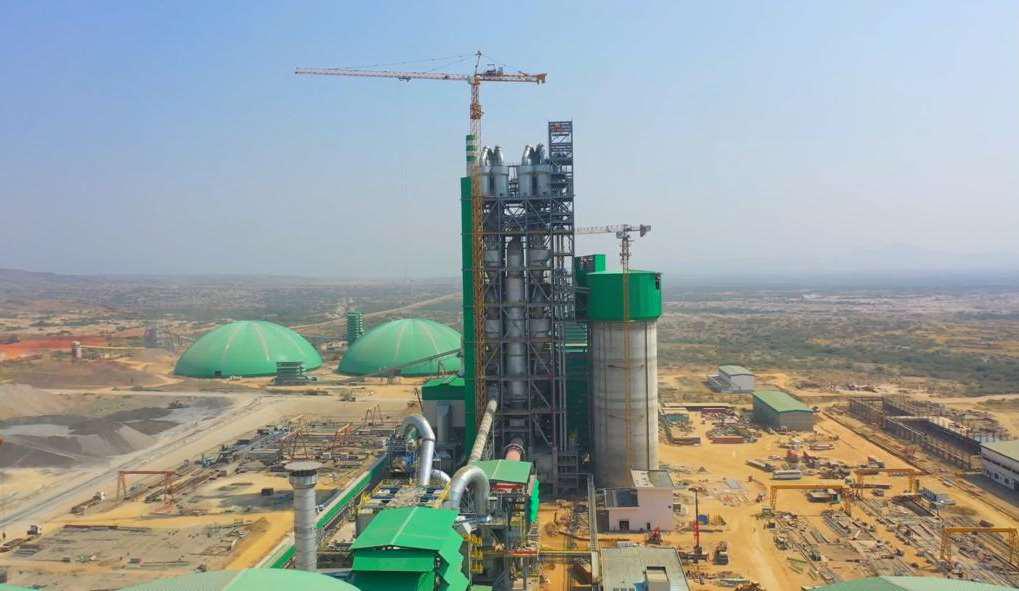
On the process side, SPCC is executing a structured program to replace liquid fuel with natural gas across the Jazan and Tihama facilities by 2028, eliminating heavy fuel oil from those plants entirely. This is not an incremental adjustment. It is a fundamental shift in the thermal energy model of two major production facilities. The company has also initiated studies on alternative fuel utilization including refuse-derived fuel (RDF) and complementary solutions, and has commissioned a Product Life Cycle Assessment to measure carbon emissions at every production stage, which will underpin the company’s planned Environmental Product Declaration (EPD) certification program.
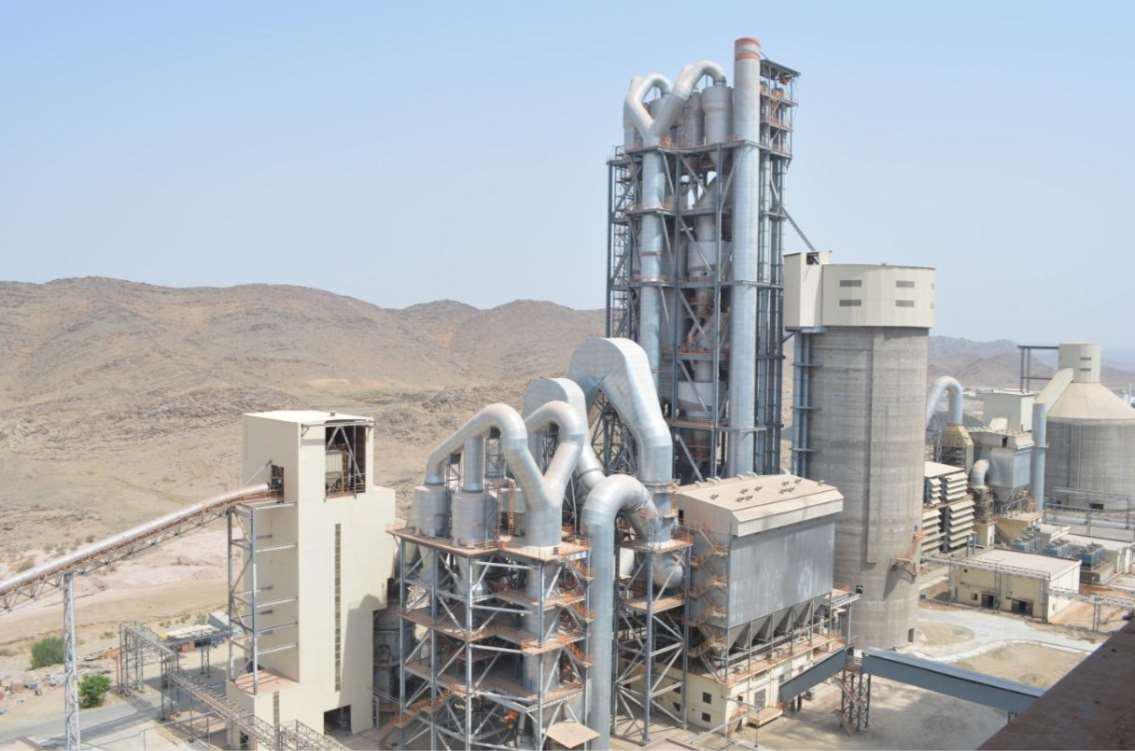
The Waste Heat Recovery (WHR) system at the Jazan plant is already operational, capturing thermal energy from kiln exhaust and converting it into usable electricity, with capacity of 15 MW. Studies are underway to extend WHR implementation to the Bisha and Tihama plants, which would deliver significant energy cost and emissions reductions across the full operational footprint. The company is also developing solar energy projects at its facilities and is exploring concentrated solar power (CSP) solutions in collaboration with King Abdulaziz City for Science and Technology, with the long-term objective of reducing fossil fuel dependency across all three sites.
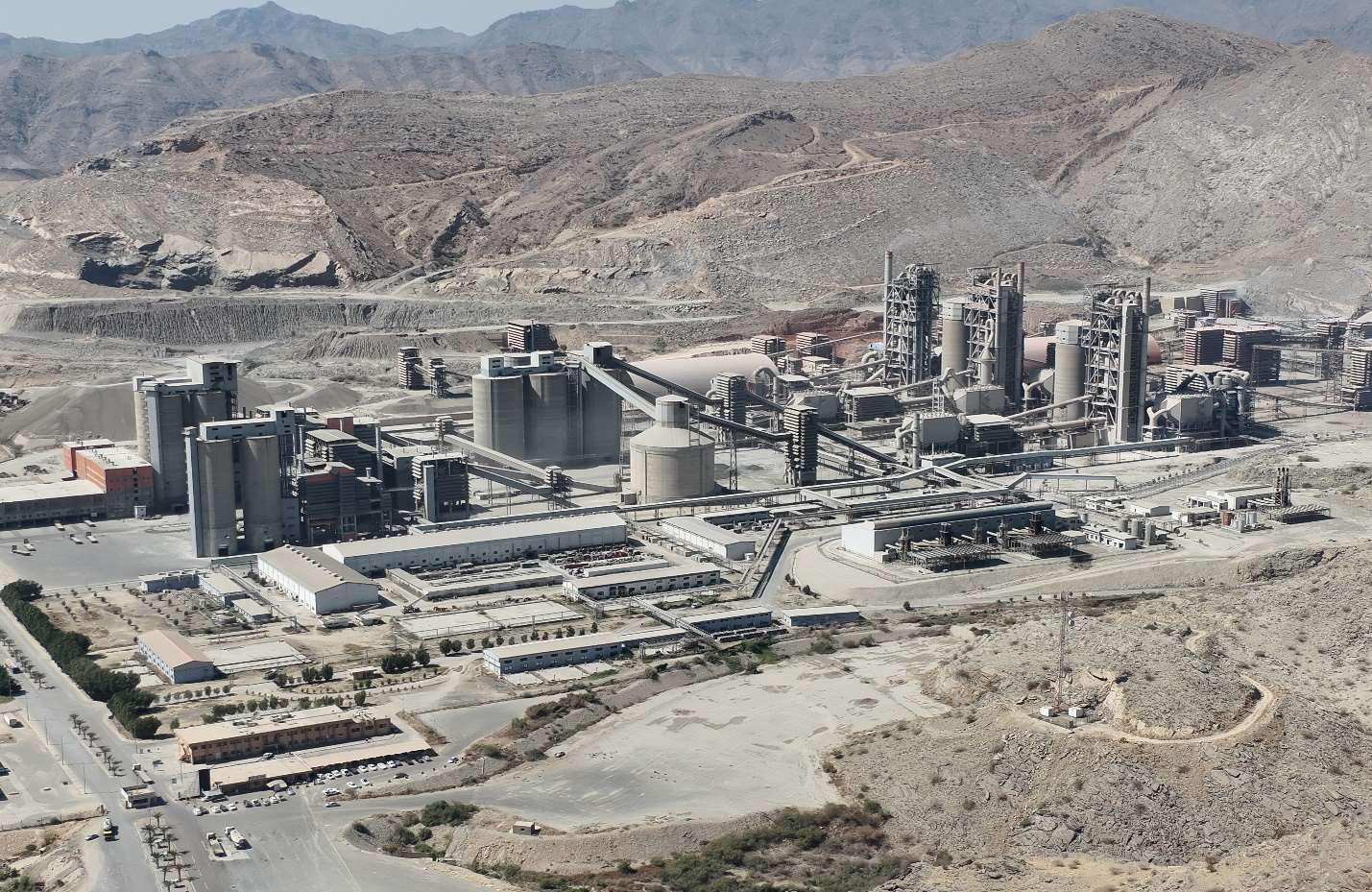
 The risk management program is comprehensive and structured. The company deploys Risk Matrix analysis, Failure Mode and Effects Analysis (FMEA), and Bowtie Analysis for preventive scenario planning. A phased Cybersecurity Executive Program is underway through 2027, covering infrastructure hardening, business continuity systems, SCADA security, and ultimately a Zero Trust architecture supported by AI-based digital forensics tools.